Miniature Circuit Breaker: Types, Ratings and Selection Guide
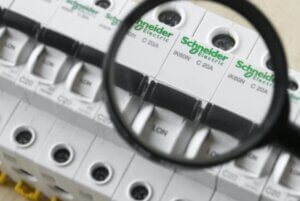
Electrical safety begins with choosing the right protection devices. Every home, office, and commercial building relies on circuit protection to prevent damage caused by overloads and short circuits. A miniature circuit breaker is one of the most widely used safety devices because it automatically disconnects the power supply when an electrical fault occurs. When installed inside properly designed electrical distribution boxes, these breakers help improve safety, simplify maintenance, and ensure the reliable operation of modern electrical systems.
What Is a Miniature Circuit Breaker?
A miniature circuit breaker (MCB) is an automatic electrical protection device designed to interrupt the flow of electricity when the current exceeds safe operating limits.
Unlike traditional fuses, an MCB can be reset after a fault instead of being replaced.
Its primary functions include:
- Protecting against overloads
- Preventing short circuits
- Reducing fire risks
- Protecting electrical appliances
- Improving electrical system reliability
These features make MCBs an essential component of residential and commercial electrical installations.
Why MCBs Are Important
Electrical faults can occur unexpectedly due to damaged wiring, overloaded circuits, or faulty appliances.
MCBs provide several important benefits.
Improved Safety
They disconnect faulty circuits before excessive heat causes damage.
Equipment Protection
Sensitive electrical appliances remain protected from sudden electrical faults.
Easy Reset
After identifying and resolving the fault, the breaker can simply be switched back on.
Reduced Maintenance
Unlike fuses, MCBs eliminate the need for frequent replacement.
These advantages make them a practical choice for modern electrical systems.
Types of Miniature Circuit Breakers
Different electrical applications require different MCB characteristics.
Type B MCB
Type B breakers are commonly used in residential buildings where electrical loads are relatively low.
Typical applications include:
- Lighting circuits
- Household appliances
- General residential wiring
Type C MCB
These breakers are suitable for moderate inrush currents.
They are often installed in:
- Small commercial buildings
- Offices
- Air conditioning systems
- Small motors
Type D MCB
Type D breakers are designed for equipment with high starting currents.
Common applications include:
- Industrial machinery
- Large motors
- Compressors
- Heavy-duty equipment
Selecting the correct breaker type improves both safety and equipment performance.
Understanding MCB Ratings
The rating of an MCB determines the maximum current it can safely carry under normal operating conditions.
Several ratings should be considered.
Current Rating
This indicates the maximum continuous current the breaker can handle safely.
Breaking Capacity
Breaking capacity refers to the highest fault current the breaker can safely interrupt.
Number of Poles
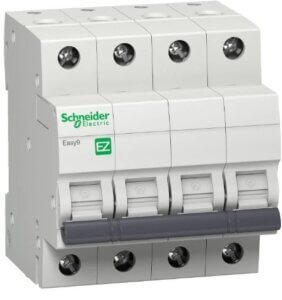
MCBs are available in different configurations such as:
- Single pole
- Double pole
- Triple pole
- Four pole
The appropriate configuration depends on the electrical installation.
Role of Electrical Distribution Boxes
Properly installed electrical distribution boxes provide a secure enclosure for MCBs and other protective devices.
Their benefits include:
- Organized circuit management
- Improved electrical safety
- Easy maintenance
- Better accessibility
- Protection from accidental contact
- Simplified troubleshooting
Distribution boxes help ensure that electrical protection devices operate safely and efficiently.
How to Choose the Right MCB
Selecting the correct miniature circuit breaker depends on several factors.
Electrical Load
Determine the total current requirement of the connected circuit.
Application
Different circuits may require different breaker characteristics depending on connected equipment.
Wiring Capacity
The breaker rating should match the capacity of the electrical wiring.
Future Expansion
Consider additional electrical loads that may be added later.
Consulting a qualified electrician helps ensure the correct selection.
Choosing the Right Distribution Box
When selecting electrical distribution boxes, consider the following:
Capacity
Choose a box with enough space for current and future circuits.
Build Quality
Durable, corrosion-resistant enclosures improve long-term reliability.
Accessibility
The distribution box should allow safe inspection and maintenance.
Ventilation
Proper ventilation helps reduce heat buildup during operation.
Selecting the right enclosure improves overall electrical system performance.
Installation Best Practices
Correct installation is essential for reliable electrical protection.
Follow these recommendations:
- Hire qualified electricians.
- Use properly rated breakers.
- Label each circuit clearly.
- Avoid overloading circuits.
- Inspect connections carefully.
- Test breaker operation after installation.
Professional installation minimizes electrical hazards.
Common Mistakes to Avoid
Many electrical problems arise from incorrect breaker selection or installation.
Avoid these mistakes:
- Using incorrect breaker ratings
- Overloading electrical circuits
- Ignoring manufacturer recommendations
- Installing undersized distribution boxes
- Delaying replacement of damaged breakers
- Performing unqualified electrical work
Proper planning improves both safety and reliability.
Maintenance Tips
Routine maintenance helps electrical systems operate safely.
Simple maintenance practices include:
- Inspect breakers periodically.
- Check for loose connections.
- Keep distribution boxes clean and dry.
- Test breaker functionality when recommended.
- Replace damaged components promptly.
Preventive maintenance reduces the likelihood of unexpected electrical failures.
Future Trends in Circuit Protection
Electrical protection technology continues evolving with smarter solutions.
Emerging innovations include:
Smart Circuit Monitoring
Digital monitoring systems provide real-time electrical performance data.
Connected Protection Devices
Modern breakers integrate with building management systems.
Energy Monitoring
Advanced systems help identify energy usage patterns.
Improved Safety Features
New technologies enhance fault detection and system reliability.
These developments continue improving electrical safety and operational efficiency.
Conclusion
A properly selected miniature circuit breaker is essential for protecting electrical systems from overloads and short circuits while improving safety and equipment reliability. Installing these breakers inside high-quality electrical distribution boxes further enhances circuit organization, maintenance, and long-term performance. Careful selection, professional installation, and regular inspections help create a dependable electrical infrastructure. Schneider Electric, a global energy technology leader, continues to drive efficiency and sustainability by electrifying, automating, and digitalizing homes, businesses, industries, and infrastructure through intelligent technologies, connected ecosystems, and innovative electrical solutions.

Going to the cinema or watching new releases online is one of the popular ways to escape the mundanity of Read more

In a fast-paced customer service environment, the IVR Service serves as the crown jewel in optimizing operations. Businesses aspiring to give Read more

In the competitive landscape of financial services, having a website that not only attracts visitors but also converts them into Read more

Finding the right home is one of the most significant decisions in anyone's life. It goes beyond just four walls Read more