
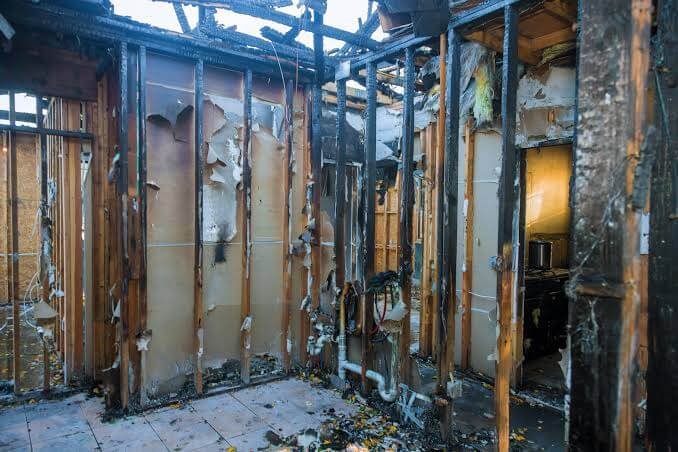
Most homeowners picture fire recovery as cleaning and repainting. The actual work looks nothing like that, and the order it happens in is the part that surprises people most. Knowing the sequence ahead of time makes the weeks after a fire far less disorienting, and it tells you whether the crew in your house is doing the job properly.
Securing the Property Comes First
Before cleanup begins, the structure has to be stabilized. Fire and suppression often leave openings in a roof, wall, or window line, and an unsecured building takes on rain and wind. Board-up and tarping happen in the first hours, along with shutting off unsafe utilities. None of it repairs anything. It stops the loss from growing while the assessment is arranged. Some providers of fire damage repair Easley often run 24/7 emergency response, so this phase can begin at two in the morning rather than waiting for business hours, and that call commits you to nothing beyond securing the building.
Finding the Full Extent
This is the step that determines everything after it. Heat does not stay in the room where the fire started. It rises and pushes through wall cavities, ceiling assemblies, and attic spaces, and smoke follows the same routes, carrying soot into rooms the flames never touched. A proper assessment for fire damage restoration Easley traces those pathways before a scope of work is written, which means opening access points, checking framing and insulation behind intact-looking walls, and testing surfaces that appear clean. A scope built only on what is visible from the doorway will miss damage that surfaces months later.
The Water Nobody Expects
Thousands of gallons can enter a house during a single response. That water soaks insulation, subfloor, and framing well beyond the burned area, and it behaves exactly like any other water loss once the fire is out. Structural drying runs on its own schedule, with moisture readings taken daily until materials reach dry standard. Upstate humidity works against that timeline for much of the year, so dehumidification often has to run longer here than the same job would require in a drier climate. Closing walls over wet framing is one of the few mistakes that turns a fire job into a mold job, so this phase finishes before anything is rebuilt.
Soot, Residue, and Odor
Soot is acidic and microscopic, and it behaves differently depending on what it has landed on. The wrong cleaning method drives residue deeper into a porous surface instead of lifting it, which is why this work is slower and more deliberate than it looks. Odor is handled at the same stage, always at the source. Smoke compounds sit in framing, insulation, and the backs of cabinets, and sealing or masking them without removing what is saturated produces a house that smells fine in February and distinctly smoky in July.
Rebuilding Comes Last
Only once the structure is dry, clean, and free of active odor does fire damage repair begin. Reconstruction typically covers:
- Framing, subfloor, and sheathing compromised by heat or water
- Insulation removed during cleaning or demolition
- Drywall, trim, and casing
- Flooring, cabinetry, and fixtures
- Paint and final finishes
Reversing this order is the single most common shortcut in the industry. It produces a house that looks finished on handover and starts failing within a year.
Why the Same Crew Should Carry the Whole Job
The handoff between mitigation and rebuild is where scope gets lost. If one company dries the structure and another rebuilds weeks later, the second crew works from a scope it did not write and cannot confirm what was behind the walls. A single team handling fire damage restoration in Easley from board-up through final finishes closes that gap, so ask whether that is the case, whether the technicians are IICRC-certified, and whether the people treating odor documented where the smoke travelled.
Documentation Runs Through All of It
From the first walkthrough onward, conditions are photographed, moisture readings are logged, and written reports describe what was found and what was removed. Those records go to the adjuster assigned to your claim, who determines what your policy covers. South Carolina law reserves claim negotiation to licensed adjusters, so a restoration team cannot settle or argue that claim on your behalf. What a team can do is document the loss thoroughly and work alongside your adjuster, so the scope that gets approved for fire damage repair in Easley reflects what the property actually needs rather than what was visible on day one.
For More Articles Visit: https://theglobalnewz.com/