A semen analysis is one of the most essential diagnostic tests for evaluating male fertility. It provides crucial insights into a man’s ability to father a child by examining the quantity and quality of sperm in the semen. Whether you’re starting your fertility journey or investigating reproductive health, understanding a semen analysis normal report can ease concerns and guide future steps.
Why Is a Semen Analysis Important?
A semen analysis helps assess male reproductive health by evaluating the physical and microscopic properties of semen. It is commonly recommended when couples face difficulty conceiving after a year of unprotected intercourse. It is also useful after vasectomy, reversal procedures, or as part of a fertility evaluation.
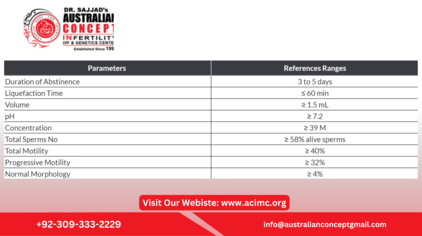
Components of a Normal Semen Analysis Report
Here’s a breakdown of what a typical semen analysis report includes and the normal reference ranges:
1. Volume
-
Definition: Total amount of semen ejaculated.
-
Normal Range: 1.5 mL to 6 mL
-
Significance: A low volume may suggest issues with seminal vesicles or obstruction, while too much volume can dilute sperm concentration.
2. Sperm Concentration (Sperm Count)
-
Definition: Number of sperm in one milliliter of semen.
-
Normal Range: At least 15 million sperm per mL
-
Significance: A low count, known as oligospermia, may indicate reduced fertility. Zero sperm is called azoospermia.
3. Total Sperm Count
-
Definition: Total number of sperm in the entire sample.
-
Normal Range: At least 39 million sperm per ejaculate
-
Significance: Offers a broader picture than concentration alone.
4. Motility
-
Definition: Percentage of moving sperm.
-
Normal Range: 40% or more motile sperm
-
Categories:
-
Progressive motility (moving forward)
-
Non-progressive motility (moving but not forward)
-
Immotile (not moving)
-
-
Significance: Good motility increases the chances of sperm reaching and fertilizing the egg.
5. Morphology
-
Definition: Shape and structure of sperm.
-
Normal Range: At least 4% normal forms (strict Kruger criteria)
-
Significance: Abnormally shaped sperm may struggle to fertilize the egg. Morphology matters in IVF and ICSI treatments.
6. pH Level
-
Definition: Acidity or alkalinity of the semen.
-
Normal Range: 7.2 to 8.0
-
Significance: Abnormal pH can indicate infections or issues with accessory glands.
7. Liquefaction Time
-
Definition: Time semen takes to liquefy after ejaculation.
-
Normal Range: Within 15 to 30 minutes
-
Significance: Delayed liquefaction may interfere with sperm movement.
8. Viscosity
-
Definition: Thickness or fluidity of semen.
-
Normal Range: Should be fluid after liquefaction
-
Significance: High viscosity may restrict sperm mobility.
9. Vitality
-
Definition: Percentage of live sperm in the sample.
-
Normal Range: At least 58% live sperm
-
Significance: Used when motility is low to check if sperm are dead or just non-motile.
10. White Blood Cells (Leukocytes)
-
Normal Range: Less than 1 million/mL
-
Significance: A high number may suggest infection or inflammation.
Interpreting the Results
One abnormal value does not always indicate infertility. For instance, a slightly low sperm count may still result in successful conception, especially if motility and morphology are within normal ranges. A repeat test is often recommended after a few weeks to confirm any abnormalities, as sperm production takes about 72 days.
Next Steps if Results Are Abnormal
If your semen analysis report shows abnormal values, consult a fertility specialist. They may recommend:
-
Lifestyle changes (diet, exercise, quitting smoking/alcohol)
-
Hormonal testing
-
Genetic screening
-
Advanced reproductive treatments like IUI or ICSI
A semen analysis normal report is a helpful tool in identifying male fertility potential. If you’re planning to start a family or facing fertility issues, this simple test can provide valuable guidance. Early evaluation and expert consultation can significantly improve your chances of successful conception.
How to Prepare for a Semen Analysis
To get the most accurate results, it’s important to follow specific guidelines before giving a semen sample:
-
Abstinence: Avoid ejaculation for 2 to 7 days before the test.
-
No alcohol or tobacco: Refrain from alcohol, smoking, or recreational drugs, as they may affect sperm quality.
-
No fever or illness: Wait until you’ve fully recovered from any recent fever, flu, or infection.
-
Medication disclosure: Inform the lab or doctor about any medications or supplements you’re taking.
-
Clean collection: Make sure the semen sample is collected in a clean, sterile container provided by the lab.
If a sample is collected at home, it must reach the lab within 30–60 minutes and be kept at body temperature during transportation.
How Many Times Should a Semen Analysis Be Done?
Sperm production and quality can fluctuate due to many factors, including stress, diet, sleep, illness, or environmental exposure. Therefore, doctors usually recommend conducting at least two semen analyses, spaced a few weeks apart, to confirm any findings.
What Happens After the Semen Analysis?
After reviewing the report, your doctor or fertility specialist will interpret the findings in the context of your overall health, fertility history, and partner’s fertility status. If your report is normal and you’re still having difficulty conceiving, further testing may be needed to evaluate:
-
Hormonal levels (e.g., testosterone, FSH, LH)
-
Genetic factors
-
Testicular or prostate health
-
Varicocele presence (enlarged veins in the scrotum)
When to See a Fertility Specialist
If your semen analysis results are outside the normal range or conception has not occurred after a year of trying (6 months if the female partner is over 35), it’s best to consult an infertility specialist. Early intervention can open doors to more fertility options and improve the chances of successful treatment.
Final Thoughts
A semen analysis is often the first step toward understanding male fertility. Though the numbers on a lab report may seem confusing, each parameter plays a critical role in determining reproductive health. A normal report usually reflects healthy sperm production and function, but if the results are abnormal, don’t lose hope many treatment options are available.
By taking action early and seeking professional help when needed, couples can better navigate their fertility journey and find the most effective path toward parenthood.