
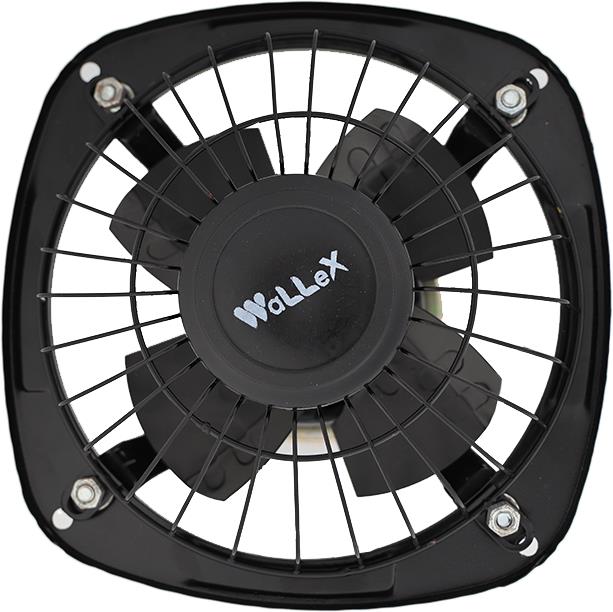
Types of Exhaust Fans: How to Select the Right One for Your Needs
Exhaust fans are essential for maintaining proper ventilation in residential, commercial, and industrial spaces. Whether installed in kitchens, bathrooms, garages, or workshops, exhaust fans play a critical role in improving indoor air quality, removing moisture, and expelling unwanted odors, heat, and contaminants. With a wide range of exhaust fan types available in the market, choosing the right one can be confusing. This article will explore the major type of exhaust, their applications, and provide practical guidance on how to select the right one for your space.
1. Why Exhaust Fans Are Important
Before diving into the different types, it’s important to understand why exhaust fans matter:
-
Improved Air Quality: They remove harmful pollutants and allergens.
-
Humidity Control: They prevent mold and mildew by removing excess moisture.
-
Odor Elimination: Essential in kitchens and bathrooms to expel foul smells.
-
Temperature Regulation: Help lower indoor heat levels, especially in attics and kitchens.
2. Types of Exhaust Fans
A. Wall-Mounted Exhaust Fans
These fans are installed directly into an external wall and vent air outdoors.
Advantages:
-
Easy to install
-
Direct airflow outside
-
Affordable
Ideal for: Kitchens, bathrooms, garages
B. Window Exhaust Fans
Installed into a window frame, these fans vent air directly outside.
Advantages:
-
No ductwork needed
-
Cost-effective
-
Easy installation
Ideal for: Small kitchens, bathrooms, or temporary setups
C. Ceiling-Mounted Exhaust Fans
These fans are installed on the ceiling and typically vent air through ductwork.
Advantages:
-
Good for central spaces
-
Can connect to a roof or external wall vent
-
Quiet operation
Ideal for: Bathrooms, conference rooms, living areas
D. Inline Exhaust Fans (Duct Fans)
Inline fans are installed within duct systems and are used to move air across long distances.
Advantages:
-
Powerful air movement
-
Can serve multiple rooms
-
Quieter operation (mounted away from rooms)
Ideal for: Whole-house ventilation, commercial use, long duct runs
E. Kitchen Chimneys (Range Hoods)
These are specialized exhaust systems that sit directly above cooking stoves.
Advantages:
-
Built-in filters for grease and smoke
-
Stylish and modern designs
-
Optional lighting and smart controls
Ideal for: Residential and commercial kitchens
F. Attic Exhaust Fans
Installed in the attic to expel hot air, these fans help regulate temperature throughout the house.
Advantages:
-
Reduce HVAC load
-
Increase roof lifespan
-
Improve home comfort
Ideal for: Homes in hot climates
G. Industrial Exhaust Fans
These are heavy-duty fans built to ventilate large spaces such as factories and warehouses.
Advantages:
-
High airflow (measured in CFM)
-
Durable, industrial-grade materials
-
Designed for continuous use
Ideal for: Manufacturing facilities, garages, warehouses
3. Key Factors to Consider When Selecting the Right Exhaust Fan
Choosing the right exhaust fan involves evaluating several critical factors that impact performance, efficiency, and suitability.
A. Airflow Direction and Venting
Determine whether the air needs to be pushed through a duct, directly outside, or filtered and recirculated (as with ductless range hoods). For effective ventilation:
-
Use ducted systems for removing moisture, smoke, or heat
-
Use ductless fans with filters if ducting isn’t an option
B. Noise Level (Sones Rating)
The sound level of an exhaust fan is measured in sones. Lower sone ratings indicate quieter operation.
Sone Ratings:
-
1.0 or below: Nearly silent
-
1.1–2.0: Quiet
-
2.1–4.0: Moderate
-
4.0+: Loud
C. Energy Efficiency
Look for Energy Star certified models, which consume less electricity and reduce utility bills.
D. Features and Smart Controls
Modern exhaust fans offer features like:
-
Motion sensors
-
Humidity sensors
-
Remote controls
-
Timers
-
Adjustable speed settings
These features can improve convenience and functionality.
E. Maintenance and Cleaning
Choose models that are easy to access and clean, especially for kitchen fans that trap grease. Washable filters and removable grilles are helpful.
4. Choosing Exhaust Fans by Room Type
Let’s go room-by-room to determine the most suitable exhaust fan type.
A. Kitchen
Recommended Fan Types:
-
Wall-mounted exhaust fan
-
Chimney or range hood
-
Window fan (for small kitchens)
Features to Look For:
-
High CFM (150–300+)
-
Grease filters
-
Stainless steel body
-
Heat and smoke sensors (for smart models)
B. Bathroom
Recommended Fan Types:
-
Ceiling-mounted fan
-
Wall-mounted fan
Features to Look For:
-
Humidity sensor
-
Quiet operation (1–2 sones)
-
Timer function
-
Mold-resistant grille
C. Attic
Recommended Fan Types:
-
Attic ventilators
-
Solar-powered attic fans
Features to Look For:
-
Thermostat control
-
High airflow (800+ CFM)
-
Energy efficiency
D. Garage/Workshop
Recommended Fan Types:
-
Industrial wall-mounted fan
-
Duct fan system
Features to Look For:
-
Heavy-duty build
-
High CFM
-
Protection against debris and sparks
5. Installation Tips
-
Positioning: Place the fan close to the main source of heat or moisture.
-
Ducting: Use the shortest possible duct route to the exterior to maximize efficiency.
-
Insulation: Insulate ductwork in colder climates to prevent condensation.
-
Professional Installation: For complex duct systems or chimneys, professional installation is recommended.
6. Maintenance Tips
To ensure long-lasting performance:
-
Clean fan blades and filters every 3–6 months
-
Check for loose wiring or unusual noises
-
Replace old or clogged filters
-
Ensure ducts are free from obstructions
Conclusion
Exhaust fans may be small appliances, but they play a major role in maintaining the health, safety, and comfort of your indoor environment. Whether you need a simple wall-mounted fan for your bathroom or a high-powered chimney hood for your kitchen, the key is to match the fan type and capacity with your room’s specific ventilation needs. Consider factors like room size, air volume, noise levels, and energy efficiency when making your decision. With the right choice, you can breathe easier knowing your indoor air is fresh, clean, and properly ventilated.
FAQs: Selecting the Right Exhaust Fan
Q1. What is the difference between a ducted and ductless exhaust fan?
A: Ducted fans vent air outside through ducts, while ductless fans filter and recirculate air within the room.
Q2. Can I use a kitchen exhaust fan in the bathroom?
A: Technically yes, but kitchen fans are typically noisier and designed for higher heat and grease removal rather than moisture control.
Q3. How long should an exhaust fan run?
A: Run bathroom fans for at least 15–20 minutes after showering; kitchen fans should run during cooking and a few minutes afterward.
Q4. Are smart exhaust fans worth it?
A: Yes, for convenience and energy savings. Smart fans can turn on automatically when humidity rises or cooking begins.
Q5. What happens if I don’t have proper ventilation?
A: You risk poor air quality, mold growth, structural damage from moisture, and heat accumulation.