

When shopping for furniture—whether online or in-store—the material it’s made from plays a vital role in determining its durability, aesthetics, and cost. Furniture materials come in various types, each with distinct characteristics that suit different needs and styles. Whether you’re furnishing a new home or upgrading your current setup, understanding the pros and cons of different materials can help you make an informed decision.
In this article, we’ll explore the top 7 furniture materials and break down their advantages and disadvantages, so you can choose what works best for your space.
1. Solid Wood
Solid wood is one of the most traditional and popular furniture materials. It includes hardwoods like oak, teak, walnut, and mahogany, as well as softwoods like pine and cedar.
Pros:
- Durability: Solid wood is incredibly strong and can last for decades with proper care.
- Aesthetic Appeal: Each piece is unique due to the natural grain and color variation.
- Repairable: Scratches and dents can be sanded and refinished.
Cons:
- Expensive: Quality hardwood furniture often comes with a high price tag.
- Sensitive to Climate: Can expand or contract with temperature and humidity changes.
- Heavy: May be difficult to move or rearrange frequently.
2. Engineered Wood (MDF, Particle Board, Plywood)
Engineered wood is a man-made product composed of wood fibers, sawdust, or veneers glued together. It’s widely used in modern furniture due to its affordability.
Pros:
- Cost-Effective: Cheaper than solid wood, making it a budget-friendly option.
- Uniformity: Offers a smooth, even surface that’s great for painting or laminating.
- Eco-Friendly: Often made from recycled wood waste.
Cons:
- Less Durable: Doesn’t hold up as well as solid wood under stress or heavy use.
- Moisture-Sensitive: Can swell or degrade when exposed to water.
- Not Easily Repairable: Damage usually requires replacement rather than repair.
3. Metal
Metal furniture is commonly used in modern, industrial, or minimalist designs. Materials like stainless steel, aluminum, and wrought iron are often used for frames, legs, and decorative elements.
Pros:
- Sturdy and Durable: Resistant to wear and tear, pests, and moisture.
- Sleek and Modern: Offers a clean, contemporary look.
- Low Maintenance: Easy to clean and maintain.
Cons:
- Cold Appearance: May not suit cozy or traditional interiors.
- Can Rust: If not treated or painted, some metals are prone to rusting.
- Heavy: High-quality metal furniture can be difficult to move.
4. Glass
Glass is often used in coffee tables, dining tables, and display cabinets to add elegance and lightness to a room.
Pros:
- Elegant Aesthetic: Provides a sleek, sophisticated appearance.
- Illusion of Space: Transparent surfaces make spaces appear larger.
- Easy to Clean: Doesn’t absorb stains and wipes down easily.
Cons:
- Fragile: Can break or chip easily, making it less ideal for homes with kids or pets.
- Visible Smudges: Requires regular cleaning to keep fingerprints and dust at bay.
- Limited Weight Capacity: Glass tops may not hold heavy items well.
5. Plastic & Acrylic
Modern plastics and acrylics are now being used for stylish and functional furniture, especially in affordable or temporary setups.
Pros:
- Lightweight: Easy to move and rearrange.
- Affordable: Great for those on a budget.
- Weather-Resistant: Ideal for outdoor furniture.
Cons:
- Less Durable: More susceptible to scratches and cracking.
- Appearance: May look less premium than other materials.
- Environmental Impact: Not the most eco-friendly option.
6. Leather
Leather furniture, especially in sofas and chairs, adds a touch of luxury and elegance to any space. It comes in genuine, bonded, and faux variants.
Pros:
- Classic Appeal: Timeless and adds richness to interiors.
- Durability: With proper care, leather can last many years.
- Easy to Maintain: Resists spills and stains better than fabric.
Cons:
- Expensive: High-quality leather is costly.
- Temperature Sensitive: Can feel hot in summer and cold in winter.
- Requires Maintenance: Needs conditioning to prevent cracks and dryness.
7. Fabric Upholstery
Used in sofas, armchairs, and headboards, fabric upholstery offers comfort and versatility in terms of colors, textures, and patterns.
Pros:
- Comfortable: Soft and cozy, ideal for lounging.
- Customizable: Available in countless styles, patterns, and colors.
- Affordable Options: Wide price range for different budgets.
Cons:
- Stains Easily: Absorbs liquids and dirt if not treated.
- May Fade: Sunlight can cause fabric to lose color over time.
- Can Harbor Allergens: Dust mites and pet hair may collect in the fabric.
Choosing the Right Material: What Matters Most?
When selecting the best furniture material, consider the following factors:
- Lifestyle: Homes with children or pets may benefit from sturdy, easy-to-clean materials.
- Budget: Opt for engineered wood or fabric if cost is a concern.
- Aesthetic: Match the material to your interior style—wood for classic charm, metal for industrial vibes, or fabric for warmth.
- Usage: High-use items like sofas or dining tables should be durable and easy to maintain.
Keep in mind that no single material is perfect for every situation. Often, the best furniture uses a combination of materials—for instance, a solid wood frame with fabric upholstery or a metal base with a glass top.
Final Thoughts
Furniture is more than just a functional element of your home—it’s a long-term investment that reflects your style and needs. Understanding the strengths and limitations of different furniture materials can help you make smarter buying decisions and ensure that your furniture remains both beautiful and functional for years to come.
For a wide range of quality furniture options made from all these materials and more, you can explore collections from trusted names like Wooden Street.

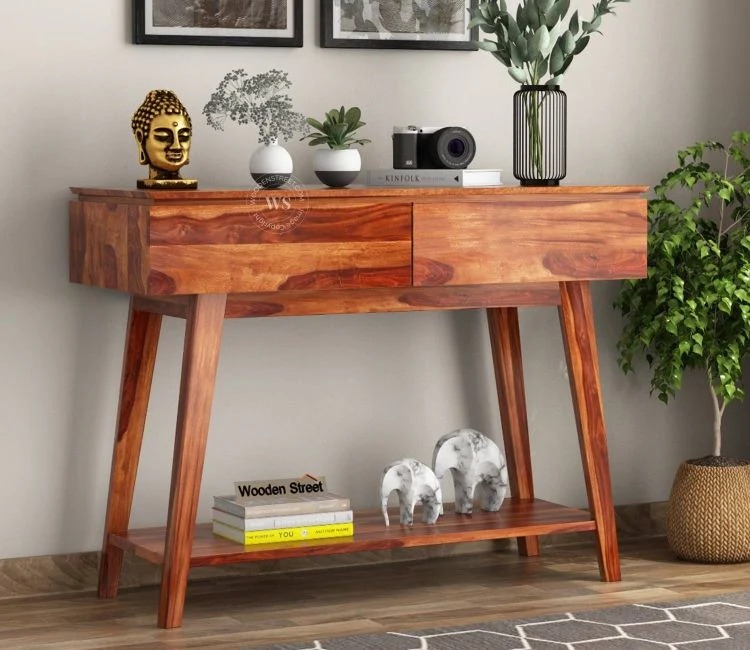
A console table is more than just a decorative accent—it's a functional piece of furniture that can transform your living Read more
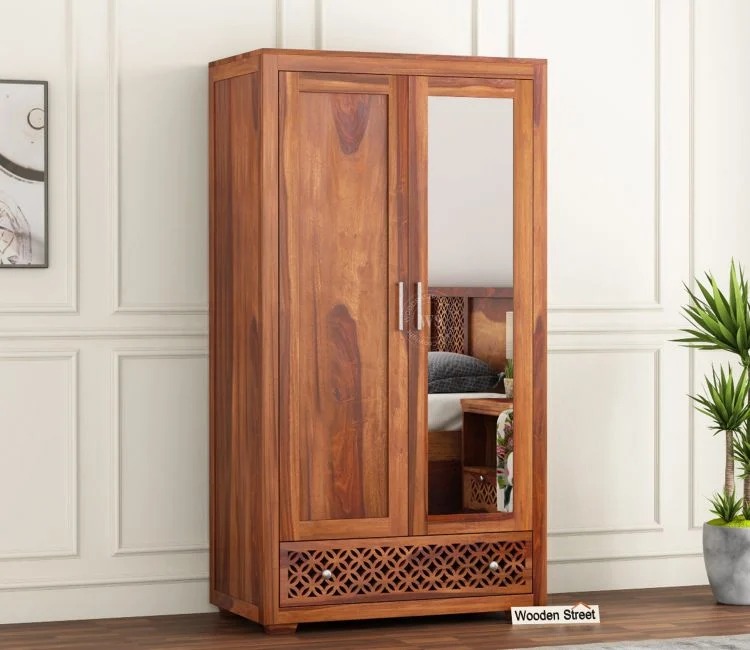
In today’s compact and design-focused homes, furniture is no longer just about functionality — it's about elevating lifestyle and maximizing Read more
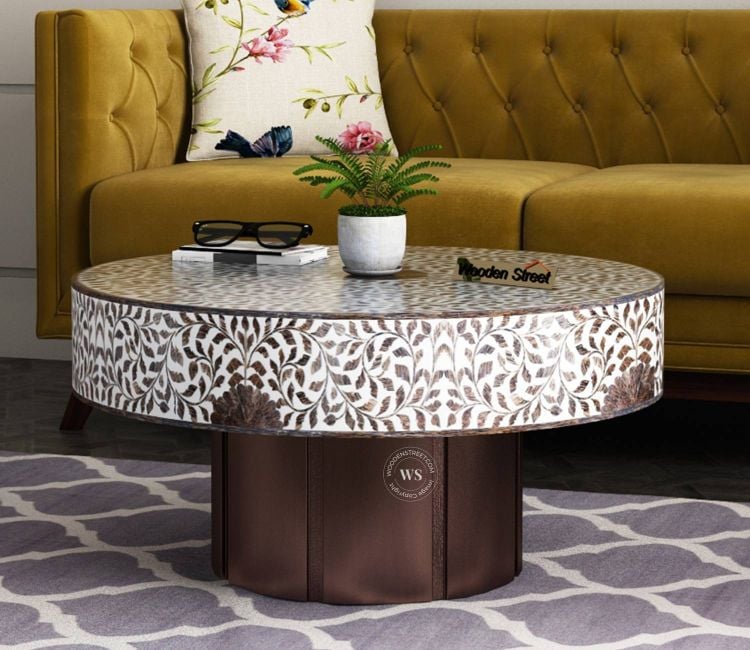
The center table is no longer just a functional piece of furniture—it’s a style statement in modern homes. As design Read more

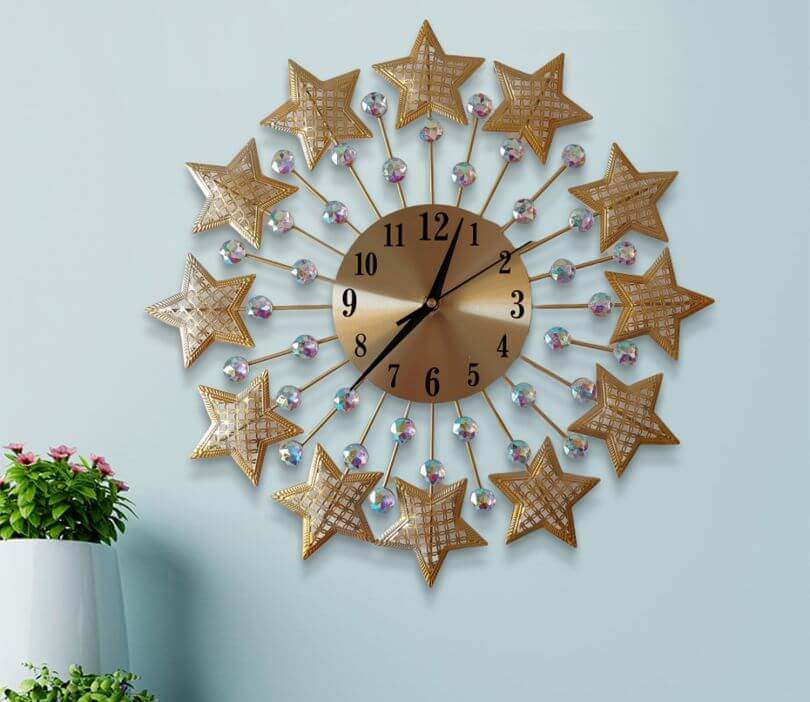
Introduction In today's fast-paced world, a wall clock serves as both a practical necessity and a stylish decor element. Whether you're looking Read more