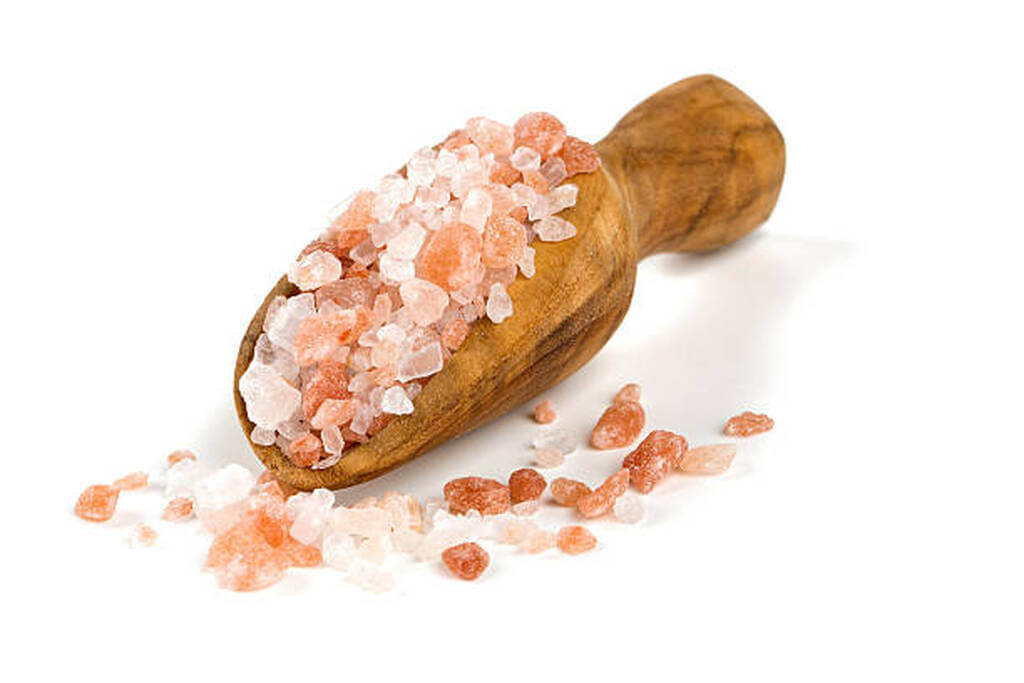
If you have ever held a chunk of Himalayan pink salt in your hands, you already know there is something special about it. The warm rosy hue, the mineral-rich composition, the centuries of geological history packed into a single crystal — it is no wonder that demand for this natural wonder has exploded worldwide. Whether you are looking to buy it for culinary use, wellness products, home decor, or export purposes, knowing how to navigate the buying process intelligently can save you both money and frustration.
Pakistan is home to the Khewra Salt Mine, one of the oldest and largest salt deposits in the world. This makes it the primary source of authentic Himalayan pink salt on a global scale. But because the market has grown so rapidly, it has also become crowded — and not all sellers offer the same quality, transparency, or reliability. This guide walks you through everything you need to know so you can make confident, well-informed decisions when working with pink salt suppliers in Pakistan.
Understanding What You Actually Need Before You Start
Before you reach out to any supplier, you need to be very clear about your own requirements. This sounds obvious, but many buyers skip this step and end up overwhelmed by the variety of products, grades, and pricing structures they encounter. Taking a little time upfront to define your needs will make every subsequent conversation with a supplier far more productive.
Define Your Product Type and Intended Use
Himalayan pink salt comes in many forms — coarse granules for cooking, fine powder for table use, salt blocks for grilling and serving, decorative lamps, bath salts, and even animal lick blocks. Each category has different quality benchmarks, packaging requirements, and price points. A buyer looking for food-grade cooking salt will have very different specifications compared to someone sourcing decorative tiles or spa products. Write down your intended use clearly before you begin your search. This small act of preparation will help you filter out irrelevant options quickly and focus your energy on suppliers who actually specialize in what you need.
Estimate Your Volume Requirements Honestly
Volume directly influences which type of supplier is appropriate for you. Small artisan importers who need a few hundred kilograms per month will have very different options compared to wholesalers moving tens of thousands of kilograms per year. Suppliers typically tier their pricing based on order volume, so having a realistic estimate helps you negotiate better rates and find partners who are genuinely set up to serve your scale of business. Avoid overpromising on volume — experienced suppliers have heard it all before, and they will appreciate your honesty far more than inflated projections.
How to Evaluate and Verify Suppliers Thoroughly
Once you know what you need, the next challenge is figuring out which suppliers are genuinely trustworthy. The salt export industry, like many commodity markets, includes a wide spectrum of operators — from highly professional manufacturers with modern facilities to opportunistic middlemen with little accountability. Doing your homework on supplier credibility is not optional; it is essential.
Request Documentation and Certifications Upfront
Credible suppliers will have proper documentation readily available. For food-grade products, look for certificates of analysis (COA) that detail mineral composition and confirm the absence of harmful contaminants. If you are importing into a country with strict food safety regulations, you may also need to verify halal certification, ISO compliance, or other region-specific requirements. Do not be shy about asking for these documents early in your conversations. Any supplier unwilling to share basic certifications is a red flag worth taking seriously. Transparency at this stage is a strong predictor of reliability throughout the entire working relationship.
Always Ask for Product Samples Before Committing
No matter how polished a supplier’s website or catalogue looks, physical samples remain your most reliable evaluation tool. Request samples of the exact product you plan to order — in the specific grind size, packaging format, and quantity you intend to purchase. When samples arrive, evaluate them for colour consistency, moisture content, particle uniformity, and smell. If you have access to basic testing, check the sodium chloride content and confirm no artificial colouring has been added. Some unscrupulous sellers pass off regular salt dyed with artificial pigments as genuine Himalayan salt, so sensory and chemical evaluation matters a great deal.
Verify Business Registration and Export History
Pakistan’s legitimate exporters are registered with the relevant trade bodies and have documented export histories. Ask potential suppliers for their business registration details, export licence numbers, and references from previous international buyers. You can also cross-check company details through Pakistan’s trade directories or by contacting trade promotion organizations. A supplier with a verifiable track record of successful shipments to your destination country is far less risky than a newcomer with no documented history.
Practical Tips for Negotiating and Placing Your Orders
Finding the right supplier is half the battle. The other half is structuring your transaction in a way that protects your interests and sets clear expectations on both sides. Buyers who approach negotiations professionally tend to get better terms, more reliable service, and fewer unpleasant surprises down the line.
Understand Incoterms and Shipping Logistics Clearly
International trade terms (Incoterms) define who is responsible for shipping, insurance, and customs at each stage of the journey. Common terms include FOB (Free on Board), CIF (Cost, Insurance, and Freight), and EXW (Ex Works). Make sure you understand what each term means for your total landed cost and liability. Many first-time buyers focus only on the quoted price per kilogram without accounting for freight, port handling fees, customs duties, and local delivery — which can significantly change the economics of a deal. Always calculate your total landed cost before comparing quotes from multiple sources.
Start with a Trial Order to Test the Relationship
Even when a supplier checks all the right boxes during your research phase, it is wise to begin with a smaller trial order before committing to large volumes. A trial order lets you evaluate real-world performance: how accurately they packed the goods, whether the product matched the samples, how they handled documentation, and how responsive they were when questions arose. Building a long-term relationship with pink salt suppliers in Pakistan is a meaningful investment, and starting small gives you the leverage and information you need before scaling up your commitment.
Use Secure and Traceable Payment Methods
International payments come with real risks, especially when you are working with a new supplier. Letters of Credit (LC) offered through established banks provide strong buyer protection and are widely understood in Pakistan’s export sector. For smaller transactions, tools like escrow services or payment-upon-delivery-of-documents structures can offer a reasonable middle ground. Avoid transferring large sums via informal channels or to personal accounts — regardless of how convincing the explanation sounds. Protecting your payment is a non-negotiable part of managing cross-border risk.
Staying Informed and Building Long-Term Partnerships
The best buyers are not just transactional — they invest in understanding the market and cultivating lasting relationships with reliable sources. The global appetite for natural wellness products and artisanal foods means that the Himalayan salt sector continues to evolve, with changing regulations, new product formats, and shifting export volumes affecting availability and pricing throughout the year.
Stay Updated on Regulatory and Market Changes
Import regulations in your destination country can change, and export policies in Pakistan can shift as well. Tariffs, labelling requirements, and food safety standards are all subject to revision. Make it a habit to monitor relevant trade publications, government bulletins, and industry associations in both your country and Pakistan. Staying ahead of regulatory changes helps you avoid costly compliance issues and gives you an edge when planning your inventory and pricing strategy well in advance.
Invest in Communication and Relationship Building
The most effective way to secure reliable supply is to treat your supplier as a genuine business partner rather than just a vendor. Regular communication, honest feedback, and prompt payments build the kind of trust that gets you prioritized during supply crunches, earns you better terms over time, and creates a working dynamic where problems get solved quickly rather than escalating into disputes. If possible, visit the production facility in person at least once — seeing operations firsthand builds mutual understanding that is genuinely difficult to replicate through email alone.
Final Thoughts
Navigating the world of pink salt suppliers in Pakistan does not have to be overwhelming. With a clear understanding of your requirements, a disciplined approach to supplier verification, and smart practices around ordering and payment, you can build a sourcing strategy that is both cost-effective and resilient. The key is to slow down in the evaluation phase so you can move confidently when it matters.
Whether you are a first-time importer or an experienced buyer looking to refine your process, the framework outlined in this guide gives you practical, actionable steps for making smarter decisions at every stage. The Himalayan pink salt market rewards buyers who do their homework. Take the time to understand what you are buying, who you are buying from, and how the transaction is structured — and you will be well-positioned to build a sourcing relationship that serves your business reliably for years to come.