
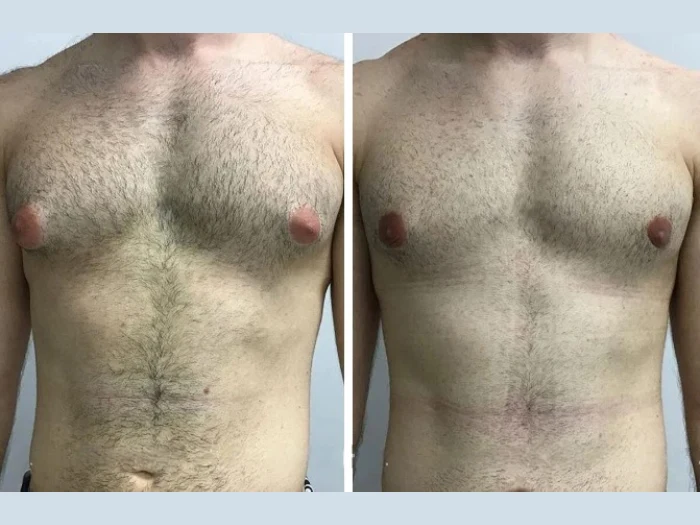

Gynecomastia in Dubai is becoming a more openly discussed health concern among men. It refers to the enlargement of male breast tissue, often caused by an imbalance between the hormones estrogen and testosterone. While lifestyle changes and surgery are well-known treatment options, hormone therapy plays an important role for many individuals, especially when gynecomastia is caused by hormonal imbalances.
In this blog post, we’ll explore how hormone therapy can be used as a treatment, what causes hormonal imbalances, and when this approach may or may not be effective. We’ll also take a look at how it fits into the broader treatment landscape, including the potential need for gynecomastia surgery in Dubai, the gynecomastia cost in Dubai, and other considerations such as finding the best gynecomastia surgeon in Dubai if surgery is required.
What Causes Gynecomastia?
Before exploring hormone therapy, it’s important to understand why gynecomastia happens in the first place. In most cases, it is due to a hormonal imbalance — where the levels of estrogen (which promotes breast tissue growth) become too high relative to testosterone (which inhibits it).
Common causes include:
-
Puberty (temporary hormonal changes)
-
Aging (natural drop in testosterone)
-
Certain medications (like anti-androgens or anabolic steroids)
-
Health conditions (such as liver disease or thyroid disorders)
-
Obesity (increased fat can convert testosterone into estrogen)
Understanding the cause helps determine whether hormone therapy is a suitable treatment or whether other options like male breast reduction surgery in Dubai may be necessary.
What is Hormone Therapy?
Hormone therapy for gynecomastia aims to restore balance between estrogen and testosterone levels. It may involve either boosting testosterone levels or blocking estrogen to prevent breast tissue growth.
There are two common approaches:
1. Testosterone Replacement Therapy (TRT)
TRT is often used for men with low testosterone levels, especially due to aging or medical conditions. By increasing testosterone, it can help reverse or reduce breast tissue growth caused by hormonal imbalance.
2. Selective Estrogen Receptor Modulators (SERMs)
Medications like tamoxifen block the effects of estrogen in breast tissue. These are commonly prescribed when gynecomastia is painful or significantly developed.
When is Hormone Therapy Effective?
Hormone therapy is usually more effective in the early stages of gynecomastia when the breast tissue is still soft and not fully developed (known as glandular tissue). In these cases, hormone therapy may stop further growth and even reduce the size of the breast tissue.
However, if gynecomastia has been present for over 12–18 months and the tissue has become firm or fibrous, hormone therapy is less likely to reverse the condition. In such cases, many people consider gynecomastia surgery in Dubai to remove the excess tissue.
Benefits of Hormone Therapy
-
Non-invasive: Unlike surgery, it does not require incisions or recovery time.
-
Targets the root cause: If hormonal imbalance is the cause, hormone therapy can directly treat the underlying issue.
-
Less expensive: Hormone therapy is often more affordable than surgical intervention. For some individuals, it may help avoid the need to worry about the Gynecomastia cost in Dubai for surgical treatment.
Limitations of Hormone Therapy
-
May not work for all cases: Especially if the gynecomastia is long-standing or caused by factors other than hormones.
-
Side effects: Like any medication, hormone therapy may have side effects, including mood changes, fatigue, or fertility issues.
-
Requires medical supervision: Hormone levels must be monitored closely to ensure the treatment is safe and effective.
If hormone therapy is not effective or not suitable, the next option often considered is male breast reduction surgery in Dubai.
Gynecomastia Surgery as a Complementary Option
For those with fully developed gynecomastia or where hormone therapy hasn’t worked, surgery remains the most effective treatment. This type of surgery involves removing excess glandular tissue and fat from the chest to restore a flatter, more masculine appearance.
When hormone therapy isn’t enough, many men turn to the best gynecomastia surgeon in Dubai to discuss their surgical options. Surgery can offer permanent results, especially when combined with healthy lifestyle changes and hormone regulation.
Gynecomastia Cost in Dubai: Hormone Therapy vs. Surgery
Understanding the gynecomastia cost in Dubai is crucial when evaluating treatment options. Hormone therapy is generally less expensive initially, especially if medications are prescribed for a short time. However, because treatment can last several months and requires regular checkups and blood tests, the cost can add up over time.
On the other hand, gynecomastia surgery in Dubai typically involves a higher one-time cost, but may eliminate the condition permanently, removing the need for ongoing treatment. This is why some individuals eventually choose to undergo surgery after trying hormone therapy without full success.
No matter which path you choose, it’s helpful to do your research and consider both the short- and long-term outcomes of hormone therapy versus surgery.
Lifestyle Support for Hormonal Balance
Even if you are undergoing hormone therapy, supporting it with healthy lifestyle habits can improve results and potentially prevent future issues.
Healthy Diet
-
Focus on foods that support testosterone: such as leafy greens, lean protein, and healthy fats.
-
Avoid foods that may increase estrogen: like processed soy, alcohol, and high-sugar foods.
Exercise
-
Strength training and cardio can help burn fat and boost testosterone naturally.
-
Avoid using steroids or muscle-enhancing drugs that can disrupt hormone levels.
Sleep and Stress Management
-
Poor sleep and high stress can reduce testosterone and increase cortisol.
-
Practice good sleep hygiene and stress-relieving activities like walking, yoga, or meditation.
These natural strategies can help improve hormone therapy outcomes and may reduce the need for surgical intervention.
What If Hormone Therapy Doesn’t Work?
If you’ve tried hormone therapy and your condition hasn’t improved, don’t lose hope. Many men eventually choose to explore male breast reduction surgery in Dubai, especially if their gynecomastia has been present for years.
Finding the best gynecomastia surgeons in Dubai is important if you decide to go this route. A qualified and experienced surgeon can provide personalized advice, explain the procedure, and offer realistic expectations about recovery and results.
In these cases, it’s also useful to compare the gynecomastia cost in Dubai from different facilities and understand what’s included—such as aftercare, anesthesia, and facility fees.
Final Thoughts
Hormone therapy can be a valuable first step in treating gynecomastia in Dubai, particularly when the condition is related to a hormonal imbalance and is still in its early stages. For many men, restoring testosterone levels or blocking estrogen can halt breast tissue growth and even reverse the condition without surgery.
However, hormone therapy has its limits. If gynecomastia is persistent, painful, or affecting your self-confidence, it may be time to consider more definitive treatments, such as gynecomastia surgery in Dubai. In these situations, seeking guidance from the best doctors in Dubai and eventually consulting the best gynecomastia surgeon in Dubai can be the right next step.
Whether you choose hormone therapy, surgery, or a combination of both, the good news is that gynecomastia is treatable. And with the right information and a thoughtful approach, you can make a decision that works best for your health, lifestyle, and confidence.


Dolor sit amet, consectetur adipiscing elit. Odio ac neque fermentum morbi. Aenean lectus eu, arcu, turpis. In massa eget sagittis, Read more

Dolor sit amet, consectetur adipiscing elit. Odio ac neque fermentum morbi. Aenean lectus eu, arcu, turpis. In massa eget sagittis, Read more


Dolor sit amet, consectetur adipiscing elit. Odio ac neque fermentum morbi. Aenean lectus eu, arcu, turpis. In massa eget sagittis, Read more


When Laura glanced at her reflection after slipping into a dress she hadn’t worn in two years, she couldn’t believe Read more