
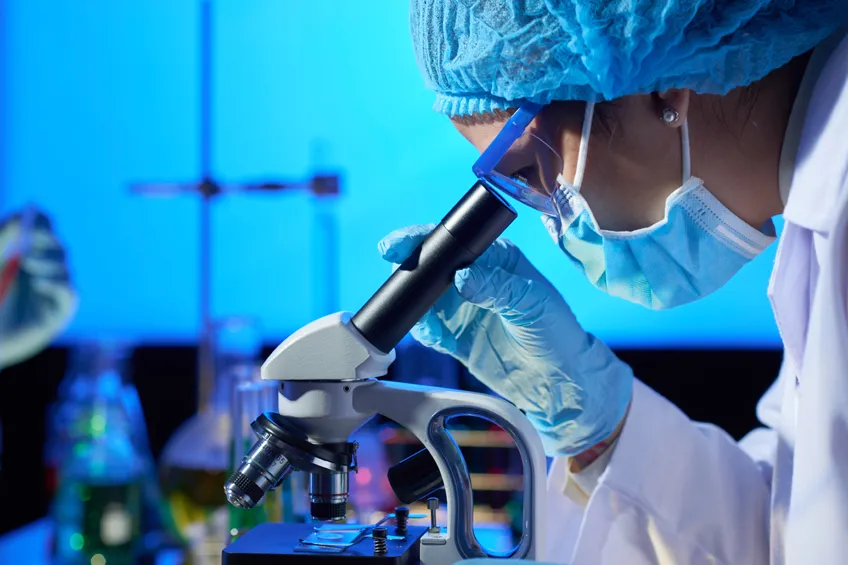
When it comes to healthcare, many people think of doctors, hospitals, or medicines first. Yet, one of the most important aspects of modern medicine often goes unnoticed: pathology lab tests. These tests act as windows into the body, providing information that cannot be gathered from a physical examination alone. From simple blood counts to advanced genetic screenings, pathology tests guide medical professionals in making informed, evidence-based decisions.
What Are Pathology Lab Tests?
Pathology lab tests are scientific examinations of body samples—such as blood, urine, stool, sputum, or tissue—to detect abnormalities, diagnose diseases, and monitor health. These tests are carried out in specialized laboratories by skilled professionals, including pathologists, lab technologists, and technicians, using advanced diagnostic tools.
Every test result adds a piece to the medical puzzle, helping doctors understand what is happening inside the body.
Why Pathology Tests Are Important
The importance of pathology lab tests cannot be overstated. They serve multiple purposes:
-
Early Diagnosis
Many conditions, such as diabetes, thyroid disorders, and kidney diseases, show no obvious symptoms initially. A routine lab test can detect these issues before they become severe. -
Accurate Treatment
Doctors depend on lab results to decide on medications, dosages, or treatment strategies. Without precise test data, treatment can become guesswork. -
Monitoring Progress
Patients with chronic illnesses, such as heart disease or cancer, require frequent lab tests to track whether treatment is effective. -
Preventive Healthcare
Preventive check-up packages offered by labs allow individuals to monitor their health regularly, reducing the risk of serious complications in the future.
Common Types of Pathology Lab Tests
Pathology is a vast field, and the range of tests it covers is equally broad. Some of the most common categories include:
1. Blood Tests
Blood tests are the backbone of diagnostic medicine. They measure various parameters such as:
-
Complete Blood Count (CBC): Checks overall health, anemia, and infections.
-
Blood Sugar Levels: Helps diagnose and monitor diabetes.
-
Lipid Profile: Measures cholesterol and triglycerides to assess heart health.
-
Liver and Kidney Function Tests: Evaluate the condition of these vital organs.
2. Urine Tests
Urine analysis can reveal:
-
Kidney diseases
-
Urinary tract infections (UTIs)
-
Diabetes-related complications
-
Protein or blood in urine, indicating underlying disorders
3. Stool Tests
Stool examinations detect parasites, digestive disorders, infections, or internal bleeding in the gastrointestinal tract.
4. Histopathology and Cytology
-
Histopathology: Examines tissues (biopsy) under a microscope, often used for cancer diagnosis.
-
Cytology: Studies individual cells, such as in Pap smears for cervical screening.
5. Microbiology Tests
Identify bacteria, fungi, or viruses that cause infections. Culture and sensitivity tests also help determine the most effective antibiotic.
6. Hormone and Endocrine Tests
These assess hormonal imbalances, such as thyroid function tests (T3, T4, TSH), reproductive hormone levels, or cortisol measurements.
7. Molecular and Genetic Tests
Advanced tests that examine DNA or RNA to detect genetic disorders, inherited conditions, or even cancer mutations.
The Process Behind Pathology Testing
The journey of a test sample involves several steps:
-
Sample Collection
Blood, urine, or tissue samples are collected either at the lab or through home collection services. -
Processing and Analysis
The sample is labeled and processed using specialized machines and techniques. For example, automated analyzers can run multiple blood tests at once with high accuracy. -
Interpretation
Pathologists interpret results in the context of medical history and symptoms. -
Reporting
Results are compiled into a clear, structured report, often delivered digitally for quick access.
Modern Technology in Pathology Labs
Technology has transformed pathology lab tests, making them faster, more reliable, and more accessible. Innovations include:
-
Automated Analyzers: Reduce human error and handle large volumes of tests.
-
Digital Pathology: Enables tissue samples to be scanned and reviewed electronically.
-
AI and Machine Learning: Assist in pattern recognition, improving cancer detection and rare disease diagnosis.
-
Cloud-Based Reporting: Patients can access reports online or via mobile apps, eliminating delays.
These advancements also allow labs to maintain consistency, reduce costs, and provide real-time updates to doctors and patients.
How to Prepare for a Pathology Lab Test
The accuracy of results often depends on proper preparation. Some general guidelines include:
-
Fasting: Tests like blood sugar, lipid profile, and some hormone levels require fasting for 8–12 hours.
-
Medication: Inform the lab or doctor about any medicines you are taking, as some can influence results.
-
Hydration: For urine tests, drinking water beforehand may be recommended.
-
Avoid Strain: Physical activity before some tests may affect markers like enzymes or hormones.
How to Choose a Good Pathology Lab
Selecting a reliable lab is critical. Here’s what to look for:
-
Accreditation: Labs certified by NABL, CAP, or ISO maintain high standards.
-
Qualified Staff: Experienced pathologists and technicians ensure quality testing.
-
Advanced Equipment: Modern machines improve accuracy and reduce turnaround time.
-
Convenience: Online booking, home collection, and digital reports add ease for patients.
-
Reputation: Patient reviews and doctor recommendations can help assess reliability.
The Role of Pathology Tests in Preventive Healthcare
Preventive healthcare is gaining prominence, and pathology tests play a central role in it. Annual or semi-annual health checkups can detect:
-
Lifestyle-related conditions like hypertension, obesity, and diabetes
-
Deficiencies such as vitamin D or iron
-
Early-stage heart disease or liver dysfunction
By identifying risks early, individuals can make lifestyle changes, seek timely treatment, and avoid complications.
Challenges Faced by Pathology Labs
Despite their importance, labs face several challenges:
-
Maintaining Accuracy: Ensuring consistency across large volumes of tests.
-
Affordability: Advanced tests can be expensive, limiting accessibility for some patients.
-
Turnaround Times: While many tests are quick, specialized tests like biopsies may take longer.
-
Awareness: Many people avoid tests unless symptoms appear, delaying early diagnosis.
Conclusion
Pathology lab tests are the cornerstone of effective healthcare. They not only help diagnose diseases but also guide treatment, track progress, and support preventive care. With modern technology, testing has become faster, more reliable, and more convenient than ever before.
By making pathology tests a routine part of healthcare, individuals can take proactive steps toward maintaining long-term health and well-being. In many ways, these tests are the silent guardians of our health—working behind the scenes to keep us informed, safe, and prepared.


In today's fast-paced world, ensuring that loved ones receive the best care at home is a priority for many families. Read more


Sleep is essential for overall health and well-being, yet millions of people around the world struggle with sleep disorders. These Read more


Erectile dysfunction (ED) is a condition that affects millions of men across all age groups. Often associated with underlying physical Read more


Explore the Best Cosmetic Gynecologist in Riyadh: Expert & Cutting-Edge Treatments for your general health and also your sexual health! Read more