
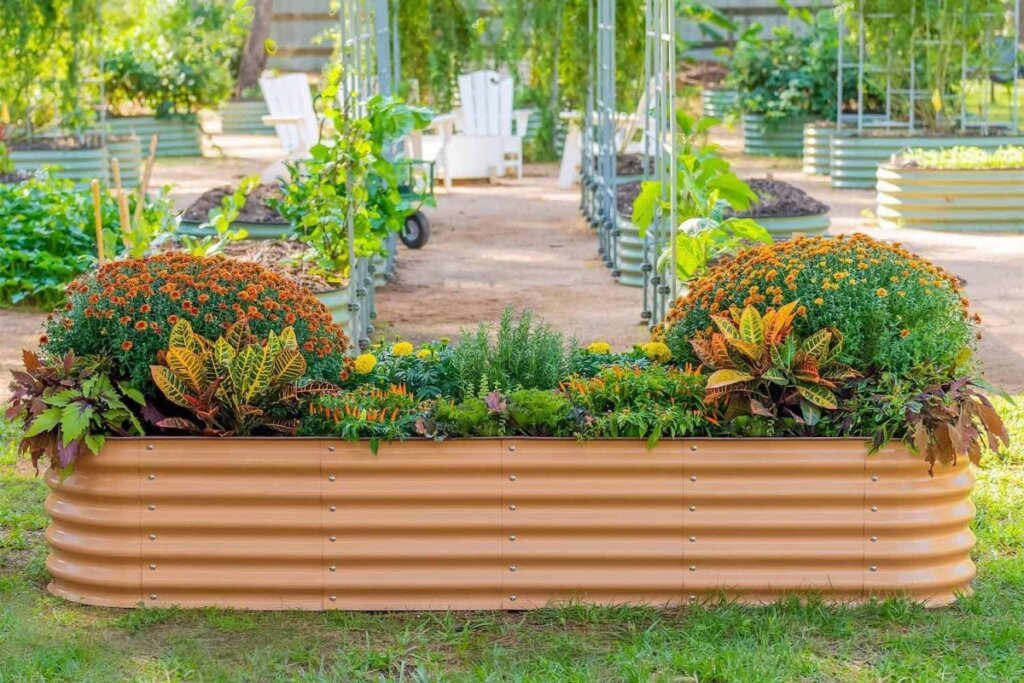
Homemade compost looks like free plant food, and it is. Still, gardeners often spread it like mulch, in thick, heavy layers, and then wonder why their tomatoes push out leaves and almost no fruit. Compost carries salts and nitrogen. Too much of either drives plants into green growth or scorches tender roots. The fix gets simple once you learn how much to spread, when to spread it, and how to spot finished compost.
Rich Compost Can Push Leaves Instead of Fruit
Nitrogen tells a plant to grow stems and foliage. Phosphorus and potassium help it set fruit. Fresh compost runs high in nitrogen, so a thick layer feeds leaves first. Your peppers look lush, yet the harvest stays sparse.
Salt buildup causes the second problem. Compost made from food scraps, manure, or coffee grounds can hold enough salt to pull water out of fine roots. Gardeners call this burning. Leaf edges turn brown and crispy even though the soil feels damp.
Finished Compost Looks Nothing Like Kitchen Scraps
Finished compost turns dark brown, crumbles in your hand, and smells like a forest floor after rain. You should not spot eggshells, orange peels, or stringy stems. If you still see them, the material keeps breaking down, and it will pull nitrogen from your soil as it works.
An electric composter speeds this stage up by grinding and drying scraps within a day, though that output still counts as pre-compost. Mix it into a bin for a few weeks before it touches your beds.
Lay It on Top and Let the Worms Dig
Digging compost into an established raised garden bed tears through feeder roots that sit only a few inches down. Worms and soil microbes carry it downward for you, slowly and with no damage. Follow this order when you top dress:
- Pull weeds and rake old mulch to one side
- Water the bed lightly so the surface stays damp
- Spread compost evenly with a rake, never a shovel
- Replace the mulch on top to hold moisture in
Feed in Early Spring, Then Ease Off
Early spring works best. Roots wake up, rain washes nutrients down, and plants use the boost while they build stems. A second light feeding after the first flush of harvest helps heavy feeders push a fall crop.
Skip heavy feeding after late summer. Nitrogen arriving in September pushes soft new growth that frost kills within weeks. Save the rest of your pile for building new beds over winter.
Not Every Plant Wants a Rich Diet
Tomatoes, peppers, and squash eat well and reward you. Lavender, yarrow, salvia, and most Mediterranean herbs prefer lean, gritty soil, and rich compost makes them flop and rot at the base.
Group the hungry plants together when you map out a new raised garden bed so you can feed one area heavily and leave the other alone. Root vegetables sit in the middle. They take one thin autumn dressing and nothing more.
A Steady Supply Beats One Giant Batch
Small regular batches work better than one huge pile. A countertop composter handles daily kitchen scraps, while a backyard bin takes leaves, clippings, and spent stems. Running the two together gives you material at different points in the year.
Turn the outdoor pile every couple of weeks and keep it about as damp as a wrung-out sponge. Dry piles stall. Soggy piles turn sour and smell like ammonia, a sign the nitrogen is escaping into the air instead of your plants.
Test the Batch Before You Trust It
Try a quick check in a spare pot. Fill it with your compost mixed half and half with garden soil, sow a few bean or radish seeds, then water. Healthy sprouts within a week mean the batch is ready.
Weak, twisted, or missing seedlings point to salt or unfinished material. Let that batch age another month, or spread it under shrubs and trees where roots sit deeper. Deeper roots down there shrug off a stronger dose than shallow bedding plants ever could.
Feed Light and Let Time Do the Rest
Compost works slowly, and that patience is exactly its strength. Thin layers, good timing, and a finished product give you strong stems and heavy harvests without the brown leaf edges that come from feeding too much, too fast.
Vego Garden builds durable, sustainable gardening products that help you turn kitchen scraps into healthy soil. From the award-winning Vego kitchen composter to modular metal raised garden beds, every piece supports soil health and composting at home. We build for soil health, and Vego gardeners count on that quality season after season.