The success of platforms like Airbnb has proven that the global short-term rental market is not a trend but a long-term shift in how people travel and monetize property. Travelers increasingly prefer local, flexible, and cost-effective accommodation, while property owners look for new income streams beyond traditional renting. This demand has opened the door for startups and enterprises to invest in airbnb clone app development as a scalable business opportunity.
However, building a product similar in appearance is not enough. A successful airbnb clone must handle rapid growth, complex transactions, global users, and regulatory requirements while delivering a seamless user experience.
What an Airbnb Clone Really Is and How It Works
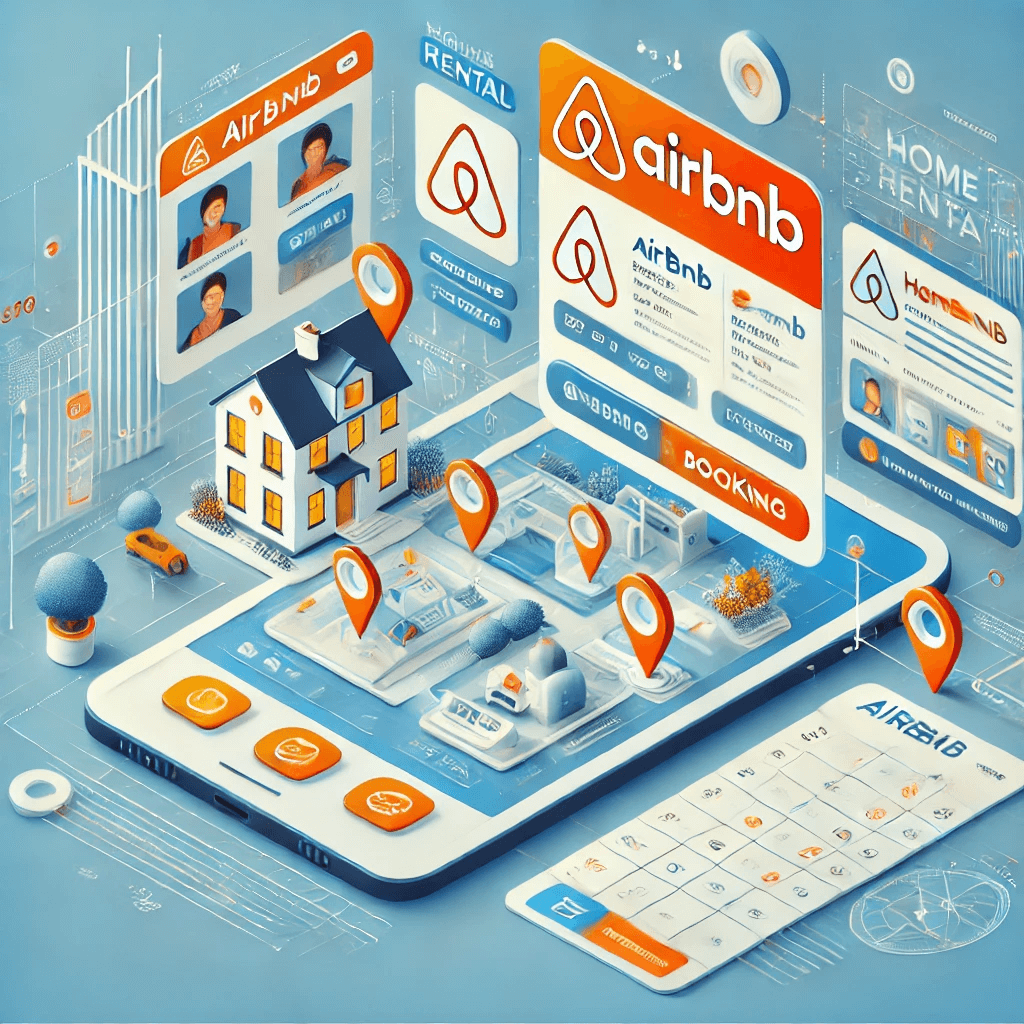
An airbnb clone is a custom-built digital marketplace that connects hosts who list properties with guests looking to book short-term accommodations. The platform typically supports web and mobile apps, allowing users to search listings, communicate, make payments, and leave reviews.
From a technical and business standpoint, airbnb clone development involves building three interconnected systems: a guest-facing app, a host dashboard, and an admin panel. These components work together to manage listings, bookings, payments, dispute resolution, and analytics at scale.
Core Features Required to Build a Scalable Airbnb Clone
Guest-Focused Features That Drive Bookings
A scalable platform begins with a smooth guest experience. Users should be able to search properties using advanced filters such as location, price range, amenities, availability dates, and property type. Real-time availability and accurate pricing are essential to avoid booking conflicts.
Secure user registration, social login, saved searches, and wishlists help improve engagement. Integrated messaging allows guests to communicate directly with hosts before and after booking, reducing friction and building trust.
Host-Centric Features for Property Management
Hosts are the backbone of the platform. A robust host dashboard enables them to create and manage listings, upload images, set pricing rules, define availability, and manage bookings. Dynamic pricing tools and calendar synchronization help hosts maximize occupancy without manual effort.
Hosts also need access to earnings reports, payout histories, and performance analytics. These features become even more critical as the platform scales and attracts professional property managers with multiple listings.
Admin Panel for Platform Control and Growth
The admin panel is where scalability is controlled. Administrators manage users, verify listings, monitor transactions, handle disputes, and enforce policies. As the platform grows across regions, admin tools must support multi-currency, multi-language, and regional compliance management.
Advanced analytics dashboards help track KPIs such as booking conversion rates, average stay duration, revenue per region, and user acquisition channels.
Technology Stack for Airbnb Clone Development That Supports Scale
Frontend Technologies for Performance and UX
The frontend must be fast, responsive, and intuitive. For web platforms, modern frameworks like React or Angular are commonly used due to their component-based architecture and performance optimization. For mobile apps, native development using Swift (iOS) and Kotlin (Android) or cross-platform frameworks like Flutter can reduce time to market.
Performance optimization at the frontend level directly impacts user retention, especially when users browse image-heavy property listings.
Backend Architecture Built for Growth
The backend is the core of airbnb clone app development. A scalable backend typically uses Node.js, Python, or Java with a microservices architecture. This allows individual services such as booking, payments, messaging, and notifications to scale independently.
Cloud platforms like AWS, Google Cloud, or Azure are preferred for hosting, as they offer auto-scaling, load balancing, and global content delivery networks. Database choices often include a mix of relational databases for transactions and NoSQL databases for user activity and search optimization.
APIs, Integrations, and Third-Party Services
To match real-world expectations, the platform must integrate with multiple external services. Payment gateways support secure transactions and payouts, while map and geolocation APIs enable accurate property search. Email and push notification services keep users informed throughout the booking lifecycle.
As the platform scales, API performance and rate limiting become crucial to avoid downtime during traffic spikes.
Security, Compliance, and Trust at Scale
Trust is the foundation of any short-term rental marketplace. Secure payment processing, encrypted data storage, and strong authentication mechanisms are non-negotiable. Identity verification for hosts and guests helps reduce fraud and increases platform credibility.
Compliance with data protection regulations and local rental laws becomes more complex as the platform expands to new regions. Building compliance features into the architecture early in airbnb clone development prevents costly rework later.
Real Cost Breakdown of Building an Airbnb Clone
MVP Development Costs
A minimum viable product focuses on essential features such as user registration, property listings, search, booking, and payments. The cost of developing an MVP typically ranges from $15,000 to $30,000, depending on design complexity, platforms supported, and development team location.
This stage is ideal for validating the business model and gathering early user feedback.
Full-Scale Platform Development Costs
A fully featured airbnb clone with advanced search, dynamic pricing, host analytics, admin dashboards, and multi-language support can cost between $40,000 and $100,000 or more. Costs increase with custom UI design, third-party integrations, and scalability requirements.
Ongoing expenses such as cloud hosting, maintenance, security updates, and feature enhancements should also be factored into long-term budgeting.
Monetization Models That Scale With Growth
Revenue generation is a key driver of platform scalability. Common monetization models include commission-based fees on bookings, service fees charged to guests, subscription plans for professional hosts, and featured listing promotions.
Choosing the right combination depends on target markets, competition, and user behavior. A flexible monetization engine allows the platform to adapt pricing strategies as it grows.
Scaling Challenges and How to Overcome Them
As user numbers increase, performance bottlenecks, customer support demands, and regulatory complexity can slow growth. Investing in cloud scalability, automated customer support tools, and modular architecture helps address these challenges proactively.
Data-driven decision-making becomes essential at scale. Analytics and reporting tools enable continuous optimization of user experience, pricing strategies, and marketing campaigns.
Conclusion
Building a scalable airbnb clone is not just about replicating features but about designing a robust, secure, and flexible ecosystem that can grow with demand. From thoughtful feature planning and the right technology stack to realistic cost estimation and monetization strategies, every decision impacts long-term success. With a clear roadmap and experienced development approach, airbnb clone development can become a sustainable and profitable venture in the evolving digital travel economy.
Frequently Asked Questions (FAQs)
How long does airbnb clone development usually take?
A basic MVP can be developed in 2 to 3 months, while a fully scalable platform with advanced features may take 4 to 6 months or longer, depending on requirements.
Is airbnb clone app development suitable for startups?
Yes, startups often begin with an MVP to validate the market and then scale gradually. A phased development approach helps control costs and reduce risk.
What makes an airbnb clone scalable?
Scalability depends on cloud-based infrastructure, modular backend architecture, optimized databases, and the ability to handle increased traffic without performance degradation.
Can an airbnb clone support multiple countries and currencies?
Yes, with proper planning. Multi-language, multi-currency, and region-specific compliance features can be integrated during development or added as the platform expands.
What is the biggest cost factor in airbnb clone development?
Custom feature complexity, third-party integrations, and scalability requirements are the primary cost drivers. Ongoing maintenance and infrastructure costs should also be considered.

The Software as a Service (SaaS) industry has grown exponentially over the last decade. By 2025, it's clear that the Read more
Scaling a B2B business requires strategic planning, cutting-edge technology, and a customer-centric approach. Whether you're a startup or an established Read more
In the rapidly evolving world of technology, innovation and artificial intelligence (AI) are reshaping the software landscape. From transforming traditional Read more