
Every family wants to feel financially secure, yet everyday expenses can slowly chip away at even the most carefully planned income. Groceries, utilities, subscriptions, insurance, and unexpected costs often grow faster than we realize. That’s why focusing on household budget savings is less about cutting everything back and more about managing money with intention.
This article explores realistic ways to organize your finances, control spending, and create sustainable savings without sacrificing your quality of life. By applying smart planning, tracking tools, and thoughtful adjustments, families can build financial breathing room and long-term stability.
Understanding Where Your Household Money Really Goes
Before you can improve your financial situation, you need clarity about how money flows through your home each month. Many households underestimate small recurring costs like internet, cable, or wireless plans that quietly accumulate and can often be reviewed to lower monthly service bills.
Break Down Fixed and Variable Expenses
Start by separating expenses into two categories:
- Fixed costs such as rent, mortgage, insurance, and loan payments
- Variable costs like groceries, utilities, entertainment, and dining
Understanding this distinction helps identify where adjustments are possible when trying to reduce monthly household expenses.
Identify Spending Patterns Over Time
Reviewing the past three months of transactions often reveals habits you didn’t notice before. You may find frequent convenience purchases or overlapping services that no longer add value.
Recognizing patterns is one of the most effective steps in learning how to save money on household expenses.
Use Data Instead of Guesswork
Financial decisions improve when based on actual numbers rather than assumptions. Seeing exact totals for categories like food or utilities often motivates more mindful choices.
Creating a Realistic Plan With Household Budget Planning Tips
A strong financial plan doesn’t restrict your lifestyle it guides it. Budgeting works best when it reflects how your family actually lives, not an unrealistic ideal.
Set Clear Priorities for Your Income
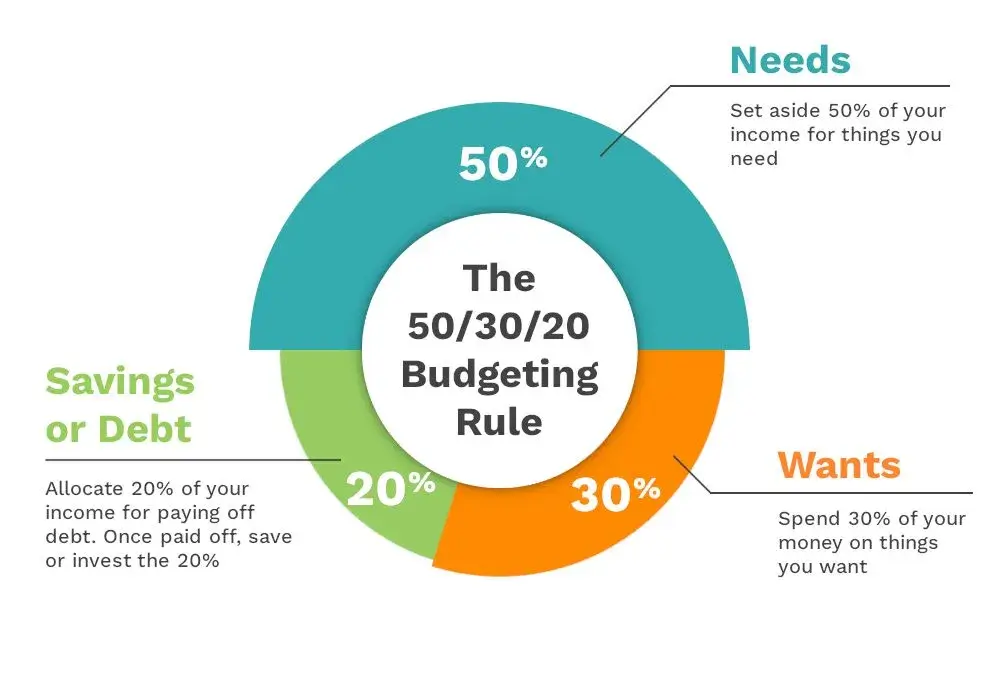
Every dollar should serve a purpose. Begin by assigning income to essential needs, then savings goals, and finally discretionary spending.
This structure ensures that financial responsibilities are met before optional expenses.
Build Flexibility Into Your Budget
Unexpected costs are part of life. A rigid plan often fails because it doesn’t allow room for change. Including a buffer category prevents small surprises from disrupting your progress.
Flexible planning is central to effective household budget planning tips.
Align Budget Goals With Family Values
Saving becomes easier when it supports something meaningful education, travel, home improvements, or long-term security. When the entire household understands the purpose, cooperation increases.
Smart Family Budget Savings Strategies That Actually Work
Families often believe saving requires dramatic lifestyle changes. In reality, consistent small adjustments produce stronger results than extreme cuts.
Focus on High-Impact Expense Categories
Certain areas usually offer the biggest opportunities for savings:
- Housing-related costs
- Utilities and energy use
- Groceries and food spending
- Subscriptions and services
Targeting these categories leads to faster family budget savings strategies that don’t feel overwhelming.
Make Gradual Changes Instead of Drastic Cuts
Sudden restrictions are difficult to maintain. Replacing habits slowly, such as cooking at home more often or reviewing service plans, creates lasting improvements.
Sustainable change is more valuable than temporary sacrifice.
Encourage Shared Financial Responsibility
Budgeting shouldn’t fall on one person alone. When all family members participate, spending decisions become more thoughtful and aligned.
This shared awareness strengthens accountability and cooperation.
Using a Home Budget and Expense Tracker for Better Control
Technology has made financial tracking far easier than manual recordkeeping. Digital tools help households monitor spending without constant effort.
Track Expenses Automatically
A reliable home budget and expense tracker connects accounts and categorizes transactions in real time. This visibility eliminates the need to manually log purchases.
Automation improves accuracy and consistency.
Monitor Progress Toward Savings Goals
Tracking tools allow families to see how daily choices impact monthly outcomes. Watching savings grow provides motivation to continue making smart decisions.
Simplify Financial Organization
Instead of juggling receipts, spreadsheets, and statements, centralized dashboards show everything in one place. This reduces stress and keeps finances manageable.
Practical Ways to Reduce Monthly Household Expenses Without Sacrifice
Cutting costs doesn’t have to mean cutting comfort. Many savings opportunities come from efficiency rather than elimination.
Improve Energy Efficiency at Home
Utility bills often reflect habits more than necessity. Adjusting thermostat settings, upgrading lighting, and using appliances strategically can lower costs without affecting comfort.
Energy efficiency is one of the simplest methods to reduce monthly household expenses.
Plan Purchases Instead of Reacting
Impulse buying increases spending far more than most people realize. Creating shopping lists and scheduling purchases reduces waste and improves value.
Intentional buying supports long-term savings goals.
Review Recurring Services Regularly
Many households continue paying for services they rarely use. Evaluating subscriptions, memberships, and plans ensures you only pay for what truly benefits your family.
This habit alone can significantly improve household budget savings over time.
Building Long-Term Financial Habits That Sustain Savings
Short-term adjustments help, but lasting financial improvement comes from habits that prevent expenses from creeping back.
Automate Savings Contributions
Setting automatic transfers to savings accounts ensures progress happens consistently. Treat savings like a fixed expense rather than an afterthought.
Automation strengthens discipline without requiring constant attention.
Schedule Monthly Financial Check-Ins
A brief review each month helps identify changes, track goals, and adjust strategies. Regular evaluation keeps your budget aligned with real life.
Teach Financial Awareness to the Entire Household
Children and teens who understand budgeting grow into financially responsible adults. Including them in discussions builds a culture of thoughtful spending.
Financial education reinforces sustainable family budget savings strategies.
Conclusion
Achieving meaningful household budget savings isn’t about restriction; it’s about clarity, planning, and consistent habits that align spending with what truly matters. By tracking expenses, making thoughtful adjustments, and involving the entire family, households can create financial stability without sacrificing comfort.
Many families also find additional savings by reviewing recurring bills through services like Billshark, which can help negotiate lower rates on everyday expenses. Combined with smart budgeting practices, this approach allows your financial plan to work more efficiently month after month.
FAQ’s
1. What is the first step to improving household budget savings?
Begin by tracking all expenses for at least one month to understand where your money actually goes. This clarity helps identify unnecessary costs and prioritize spending adjustments that create immediate impact.
2. How can families save money on household expenses without major lifestyle changes?
Focus on efficiency rather than elimination, such as improving energy use, planning meals, and reviewing recurring services. Small adjustments made consistently often produce significant long-term savings.
3. Are home budget and expense tracker tools really necessary?
While not required, they make financial management easier by organizing data automatically. These tools reduce manual work and provide clear insights that help families stay on track.
4. How often should we review our household budget plan?
A monthly review is usually enough to monitor progress and adjust for new expenses or goals. Regular check-ins prevent small issues from becoming larger financial problems.
5. What are the most effective family budget savings strategies for long-term success?
Consistency, shared responsibility, and automation are key. When families track spending, plan intentionally, and commit to gradual improvements, savings become sustainable rather than temporary.