
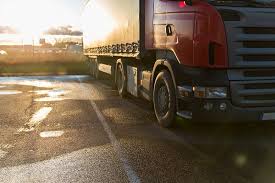
Goods transport plays a vital role in the global economy. Whether it’s raw materials heading to factories or finished products arriving at retail shelves, efficient goods transport is the silent engine behind commerce. In today’s interconnected world, the demand for fast, safe, and cost-effective transport services has never been higher.
In this comprehensive guide, we explore the world of goods transport—its types, benefits, latest trends, and challenges—especially in the context of 2025. Whether you are a business owner, a logistics student, or just curious about how products get from point A to B, this article offers all the insights you need.
What Is Goods Transport?
Goods transport refers to the movement of physical products—such as industrial materials, commercial goods, or consumer items—from one location to another. This process may involve multiple transportation modes including:
-
Road Transport
-
Rail Transport
-
Air Freight
-
Sea Freight
-
Multimodal Logistics
Each mode serves specific needs, depending on the distance, delivery urgency, cargo type, and cost constraints.
Types of Goods Transport
1. Road Transport
This is the most common method for domestic transport. Trucks, trailers, and pickups deliver goods to warehouses, markets, and consumers. It’s ideal for short to medium distances.
Pros:
-
Fast for regional delivery
-
Flexible routes and schedules
-
Ideal for door-to-door service
Cons:
-
Affected by traffic, fuel prices, and road conditions
2. Rail Transport
Best for bulk items over long distances, rail transport is highly efficient for carrying coal, grains, machinery, and more.
Pros:
-
High capacity
-
Cost-effective for heavy cargo
-
Lower carbon emissions than road
Cons:
-
Limited reach to remote areas
-
Requires road transport for final delivery
3. Air Freight
When time is critical, air freight is the fastest mode of goods transport, commonly used for electronics, perishable goods, or urgent documents.
Pros:
-
Very fast
-
Global reach
-
Secure and reliable
Cons:
-
High cost
-
Weight limitations
4. Sea Freight
Used for international trade, sea transport handles everything from containers to vehicles and industrial equipment.
Pros:
-
Ideal for bulky or heavy goods
-
Low cost per unit
-
Global accessibility
Cons:
-
Slower delivery times
-
Complex customs and documentation
5. Multimodal Transport
This combines multiple modes (e.g., sea + rail + road) to offer cost-effective and flexible delivery solutions, especially for international supply chains.
Importance of Goods Transport in Business
Efficient goods transport ensures:
-
Faster delivery times
-
Reduced inventory costs
-
Expanded market reach
-
Better customer satisfaction
Businesses depend on reliable transport partners to avoid delays, damage, or cost overruns. It’s not just about moving goods—it’s about maintaining trust in the supply chain.
Key Components of a Successful Goods Transport System
1. Route Planning and Optimization
Smart logistics use route optimization tools to reduce mileage, avoid congestion, and improve fuel efficiency.
2. Cargo Handling and Packaging
Proper packaging prevents damage during transit. Specialized containers or temperature-controlled trucks may be needed for sensitive goods.
3. Real-Time Tracking
Modern transport providers offer GPS tracking and shipment visibility to clients, enhancing transparency and security.
4. Fleet Management
A well-maintained fleet with trained drivers ensures timely and safe delivery of goods.
5. Compliance and Documentation
Correct paperwork, permits, and regulatory compliance (e.g., customs, taxation) are essential for avoiding fines and delays.
Goods Transport in Pakistan
Pakistan’s transport sector is growing rapidly due to infrastructure improvements like motorways, CPEC projects, and new dry ports.
Major Hubs:
-
Karachi: Main port and industrial hub
-
Lahore: Central Punjab logistics center
-
Islamabad/Rawalpindi: Capital region connections
-
Multan & Faisalabad: Industrial transport corridors
Top Services in Pakistan:
-
Packers and movers
-
Freight forwarding
-
Courier and parcel delivery
-
Custom clearance and warehousing
Latest Trends in Goods Transport – 2025
1. Digital Freight Platforms
Startups and tech-driven platforms are connecting shippers with carriers in real time, reducing middlemen and increasing transparency.
2. Electric and Hybrid Trucks
Green logistics is a top priority. More companies are investing in electric or hybrid vehicles to reduce emissions.
3. AI-Powered Route Optimization
Artificial intelligence helps logistics companies reduce delivery times, fuel usage, and traffic-related delays.
4. Blockchain for Logistics
Blockchain offers tamper-proof delivery records, which enhances trust and reduces fraud, especially in international shipping.
5. Smart Warehousing
Automated warehouses near major cities speed up the last-mile delivery and reduce order fulfillment times.
Challenges in Goods Transport
Despite innovation, several challenges persist:
-
Fuel cost volatility
-
Infrastructure limitations in rural areas
-
Security risks (e.g., theft, road accidents)
-
Regulatory compliance
-
Customs clearance delays
Smart planning, robust partnerships, and continuous tech upgrades are the only way forward.
Choosing the Right Goods Transport Partner
When selecting a transport company, consider:
-
Experience and Reputation
-
Service Area Coverage
-
Pricing Transparency
-
Insurance and Safety Protocols
-
Customer Reviews
Whether you’re shipping local or international, choosing the right logistics partner determines your product’s delivery success.
Future of Goods Transport
By 2030, we expect:
-
Widespread use of autonomous delivery vehicles
-
Drone logistics for rural access
-
Carbon-neutral transport policies
-
Hyperloop or ultra-fast rail alternatives
-
End-to-end AI logistics systems
Innovation will be driven by environmental goals, rising fuel costs, and global e-commerce demands.
Conclusion
Goods transport is not just a service—it’s a necessity for economic growth, business operations, and customer satisfaction. From local deliveries to global trade, the ability to move goods efficiently defines competitiveness. With rapid technology changes, businesses that embrace innovation in transport will lead the way in 2025 and beyond.
Whether you’re a small business owner looking to expand your customer base or a logistics professional aiming to optimize your supply chain, understanding the intricacies of goods transport is essential.