Beyond Barcelona and Madrid: Spanish Regions Most Americans Have Never Heard Of
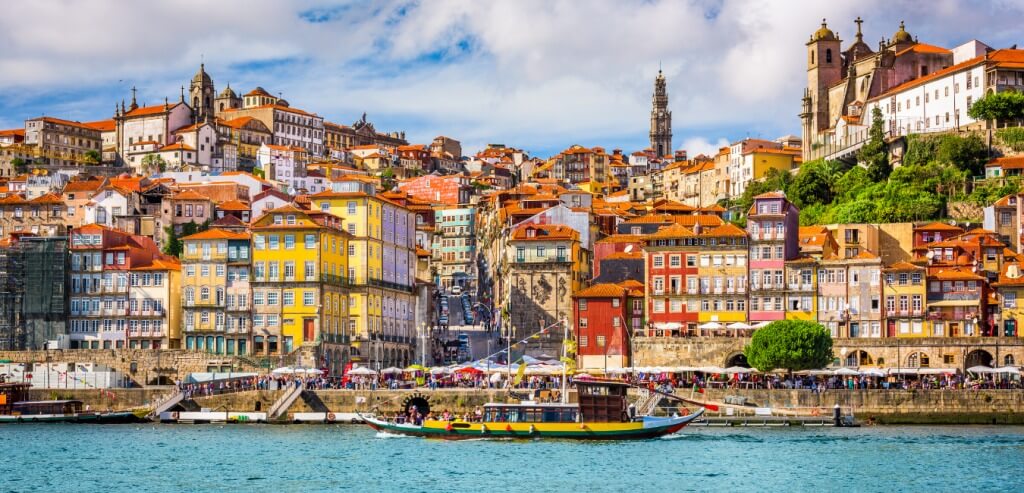
Most American travelers to Spain follow the same route. They land in Barcelona, spend a few days in Madrid, and maybe add Seville before flying home. These cities earn their popularity. But Spain has entire regions that rarely appear on American itineraries; places with dramatic coastlines, medieval towns, and food cultures that rival anything in the major hubs.
Travelers researching a Spain customized vacation often start with the big names, but the conversation gets more interesting when regions like Galicia, Asturias, and Extremadura enter the picture.
Galicia: Spain’s Green, Celtic-Influenced Northwest
Galicia sits in Spain’s far northwest corner, directly above Portugal. The region looks nothing like the Spain most Americans picture. Instead of dry plains and blazing sun, Galicia has misty coastlines, lush green hills, and a culture rooted in Celtic traditions. Bagpipes appear in local music. The vibe feels closer to Ireland than Andalusia.
Santiago de Compostela draws pilgrims from around the world as the endpoint of the Camino de Santiago. The cathedral houses the shrine of Saint James and features the Pórtico de la Gloria, a 12th-century sculptural masterpiece. Beyond the cathedral, the old town unfolds in granite buildings, hidden plazas, and narrow streets filled with pilgrims who just finished walking 500 miles.
The Rías Baixas coastline produces Spain’s best Albariño wine. Small family-run wineries dot the hillsides, and visitors can taste crisp whites paired with fresh oysters and percebes—gooseneck barnacles harvested from wave-battered rocks. Anyone planning customized tours Spain focused on food and wine will find Galicia hard to beat.
Asturias: Mountains, Cider, and Pre-Romanesque Churches
East of Galicia, Asturias packs dramatic landscapes into a compact area. The Picos de Europa mountains rise sharply from the coast, with limestone peaks reaching over 8,500 feet. The Cares Gorge trail follows a path carved into cliff walls above a turquoise river, one of Spain’s most spectacular hikes. Above the sanctuary of Covadonga, two glacial lakes sit surrounded by alpine meadows.
The regional capital, Oviedo, is home to 9th-century pre-Romanesque churches found nowhere else in Europe. Santa María del Naranco and San Miguel de Lillo predate most of the continent’s Romanesque architecture by centuries, showcasing a style unique to this corner of Spain.
Asturias also claims Spain’s cider heartland. Traditional sidrerías pour cider from overhead to aerate it, pairing it with fabada asturiana—a rich bean stew loaded with chorizo and morcilla. The combination of mountains, medieval history, and cider culture makes Asturias ideal for any Spain customized vacation built around outdoor adventure and regional cuisine.
Extremadura: Roman Ruins and Spain’s Finest Ham
Extremadura stretches across western Spain along the Portuguese border. The region remains one of the country’s least visited, with vast dehesa (oak woodland pastures) rolling toward the horizon and historic towns that see few foreign tourists.
Mérida once served as the capital of the Roman province of Lusitania, and it still holds Spain’s most impressive Roman ruins. The Roman Theatre, dating to 15 BC, seats 6,000 and hosts performances each summer. A temple of Diana stands in the city center, and a Roman bridge spans the Guadiana River, still carrying traffic after two thousand years.
An hour north, the medieval city of Cáceres is home to one of Europe’s best-preserved old towns. The Ciudad Monumental features Gothic and Renaissance palaces built with wealth from the Americas, their stone facades golden in the afternoon light. Walking its narrow streets after dark feels like stepping backward several centuries.
Extremadura also produces Spain’s finest jamón ibérico from acorn-fed pigs raised beneath the oak trees. Visitors can tour farms and curing facilities to understand why a single leg of this ham can cost hundreds of dollars. A Spain customized vacation that includes Extremadura gives travelers access to history, gastronomy, and landscapes most visitors never see.
Visiting These Regions
Getting around requires planning. Train service connects major cities but skips smaller towns. A rental car works for independent travelers, but those who prefer not to navigate unfamiliar roads find that customized tours in Spain simplify logistics.
Galicia and Asturias stay pleasant from May through October, though rain is possible. Extremadura turns hot in summer; spring and fall offer better conditions.
Spain’s diversity extends far beyond Barcelona and Madrid. The best customized tours of Spain often include at least one overlooked region, because the places where fewer travelers venture are often the trip’s highlights.
For More Articles Visitt: https://theglobalnewz.com/
ㅤ ㅤ ㅤ ㅤ ㅤ ㅤ ㅤㅤ ㅤ ㅤ ㅤ ㅤ ㅤ ㅤㅤ ㅤ ㅤ ㅤ ㅤ ㅤ ㅤㅤ ㅤ ㅤ ㅤ ㅤ ㅤ ㅤㅤ ㅤ ㅤ ㅤ ㅤ ㅤ ㅤ