
Automotive maintenance has evolved significantly over the years. What was once limited to professional workshops is now increasingly handled by vehicle owners themselves. From routine servicing to detailed repair tasks, having the right tools plays a critical role in achieving accurate, safe, and long-lasting results. A well-equipped workspace allows users to approach automotive work with confidence and efficiency.
Automotive environments demand precision, strength, and reliability. Vehicles are built with tightly fitted components, durable materials, and complex systems that require proper handling. Using suitable tools ensures that work is performed correctly without causing unnecessary damage or safety risks.
Why Automotive Work Requires Specialized Tools
Automotive systems are subject to constant vibration, heat, pressure, and environmental exposure. This makes maintenance and repair tasks more demanding than many other mechanical applications. Tools used in automotive work must be capable of handling these conditions without losing accuracy or durability.
Improper tools can strip fasteners, crack components, or lead to incomplete repairs. Precision matters when dealing with brake systems, suspension parts, or engine components. Reliable tools provide the grip, torque, and control necessary to work on these systems safely.
Choosing the right tools is not just about convenience; it directly affects the quality and safety of the repair.
Manual Tools as the Foundation of Automotive Tasks
Manual tools form the backbone of automotive maintenance. They are essential for tasks that require careful control, sensitivity, and precision. Common operations such as loosening bolts, adjusting fittings, or assembling components rely heavily on manual operation.
One of the key advantages of manual tools is tactile feedback. Users can feel resistance changes and adjust force accordingly, reducing the risk of overtightening or component damage. This is especially important when working with aluminum parts, electrical connections, or delicate sensors.
Manual tools also offer versatility. They can be used in tight spaces where powered equipment may not fit, making them indispensable in automotive environments.
Efficiency Gains Through Powered Equipment
Powered equipment has transformed the way automotive tasks are completed. These tools significantly reduce physical effort and save time, particularly during repetitive or labor-intensive work. Tasks such as removing multiple fasteners, drilling, or cutting materials become far more manageable with powered assistance.
Modern powered tools are designed with adjustable torque and speed controls, allowing users to tailor performance based on the task. This flexibility makes them suitable for both light-duty and heavy-duty applications. When used properly, powered equipment enhances productivity without sacrificing accuracy.
Reduced fatigue is another major benefit. By minimizing manual strain, users can work longer and maintain focus throughout the project.
Using Hand And Power Tools Together
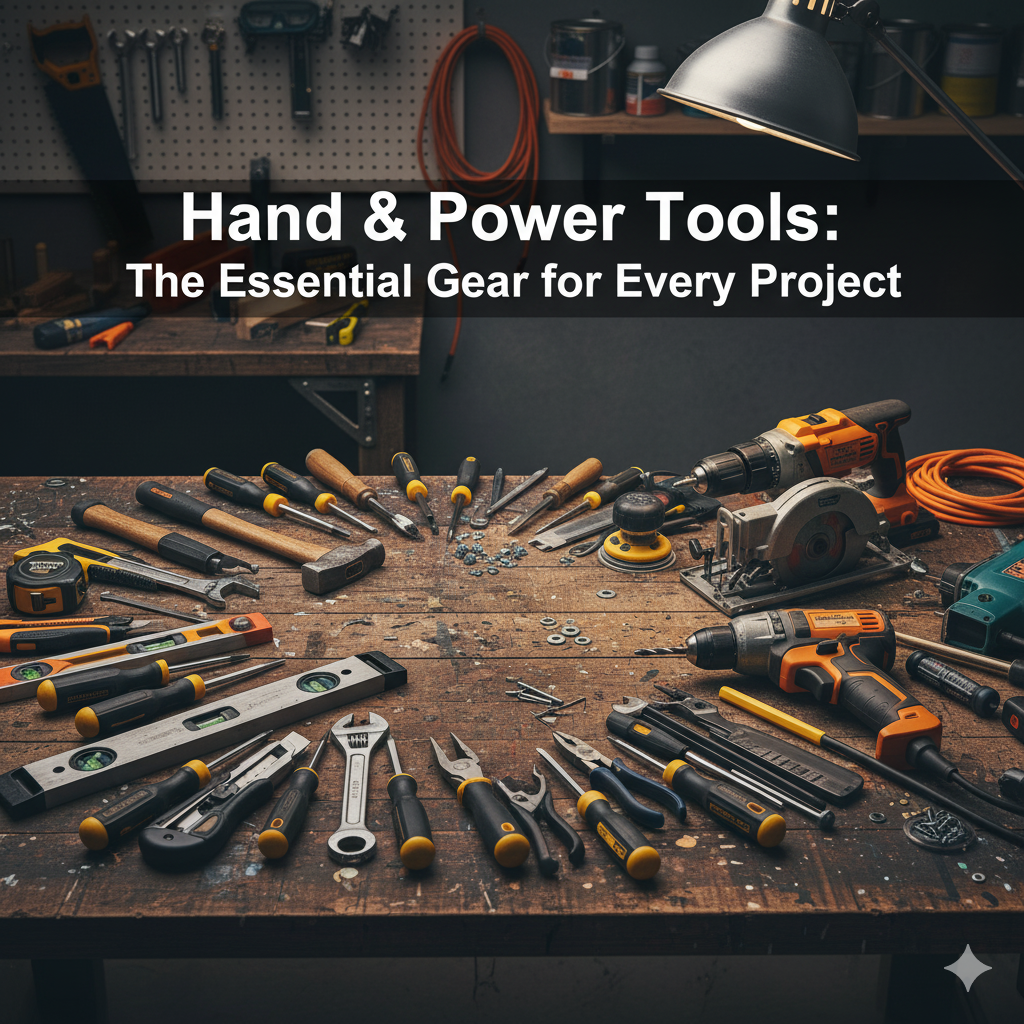
The most effective automotive workflows rely on a combination of manual and powered equipment. Rather than choosing one over the other, experienced users understand the value of using Hand And Power Tools together to achieve optimal results.
Powered tools handle bulk work efficiently, while manual tools provide precision for final adjustments and sensitive tasks. For example, fasteners can be removed quickly using powered equipment and then tightened accurately by hand to ensure proper torque.
This balanced approach improves efficiency, protects components, and extends tool lifespan by ensuring each tool is used within its intended range.
Tool Safety in Automotive Environments
Safety is a critical consideration when working on vehicles. Automotive tasks often involve sharp edges, heavy components, and pressurized systems. Using the correct tools reduces the likelihood of accidents and injuries.
Manual tools with ergonomic grips improve control and reduce hand strain. Powered equipment should be used with appropriate safety gear, including gloves and eye protection. Maintaining a stable footing and proper posture further enhances safety during operation.
Regular inspection of tools helps identify wear or damage before it becomes a hazard. A safe workspace allows users to focus on quality workmanship rather than potential risks.
Maintenance Practices That Extend Tool Life
Proper maintenance ensures that tools continue to perform reliably over time. Cleaning tools after use removes grease, dirt, and moisture that can lead to corrosion or reduced performance. Even simple habits, such as wiping tools down, can make a noticeable difference.
Periodic inspections help identify loose components, worn edges, or alignment issues. Addressing these problems early prevents tool failure during use. Well-maintained tools deliver consistent performance and reduce the need for frequent replacements.
Storage also plays an important role. Organized storage protects tools from damage and makes them easier to access when needed.
Selecting Tools Based on Task Requirements
Not all automotive tasks require the same level of tooling. Simple maintenance jobs may only need basic equipment, while advanced repairs demand specialized tools. Understanding task requirements helps users select appropriate tools without unnecessary investment.
Ergonomics should also be considered. Tools that feel comfortable in the hand reduce fatigue and improve accuracy. Balance, grip texture, and weight distribution all influence ease of use during extended tasks.
Choosing tools that align with skill level and usage frequency leads to better outcomes and a more efficient workspace.
Automotive Applications Across Different User Levels
Automotive tools are used by a wide range of individuals, from casual DIY users to experienced professionals. Each group has different needs and expectations. DIY users often prioritize ease of use and versatility, while professionals require durability and performance under daily workloads.
Having access to reliable tool options allows users to grow their skills over time. Starting with essential tools and expanding as experience increases creates a practical and cost-effective approach to automotive maintenance.
Retailers such as Brasseux’s Hardware support automotive projects by offering dependable tools suitable for different experience levels and repair needs.
Organization and Workspace Efficiency
An organized workspace improves productivity and reduces frustration. Knowing where each tool is located saves time and minimizes interruptions during projects. Proper organization also reduces the risk of tool damage or loss.
Toolboxes, cabinets, and designated storage areas help maintain order. Grouping tools by function makes it easier to locate what is needed quickly. A clean, organized workspace supports better focus and smoother workflows.
Efficiency in organization complements efficiency in tool usage.
Long-Term Value of Investing in Quality Tools
While quality tools may require a higher initial investment, they offer better long-term value. Durable tools withstand repeated use and maintain performance over time. This reliability reduces replacement costs and downtime caused by tool failure.
Quality tools also contribute to better workmanship. Accurate results improve confidence and reduce the need for rework. Over time, the savings gained from durability and efficiency outweigh the initial expense.
Investing wisely in tools supports consistent performance across many projects.
Final Thoughts
Automotive maintenance and repair work demand precision, reliability, and efficiency. The right tools make these tasks safer, easier, and more effective. By understanding how different tools function and how they complement each other, users can approach automotive projects with confidence.
Using Hand And Power Tools appropriately allows users to balance speed with accuracy while protecting both equipment and vehicle components. With proper selection, maintenance, and organization, tools become a dependable asset in any automotive workspace, supporting successful outcomes across a wide range of repair and maintenance tasks.