
Graphene has become one of the most important materials in modern science. Researchers study it because it offers strong electrical conductivity, high strength, and excellent heat transfer. Because of these features, many industries now explore graphene for advanced technologies.
Among the different graphene structures, single-layer graphene attracts the most interest. It contains only one atomic sheet of carbon atoms arranged in a two-dimensional lattice. This simple structure creates powerful material properties.
As a result, both research laboratories and industrial companies continue to study graphene for next-generation devices. However, graphene quality strongly affects how well it performs. Therefore, scientists must choose reliable suppliers that provide consistent materials and verified specifications.
This is where ACS Material becomes important. The company supplies high-quality graphene for both research and industrial applications. In this article, we explain the structure of graphene, discuss its applications, and show how they support advanced materials research.
Understanding Single Layer Graphene
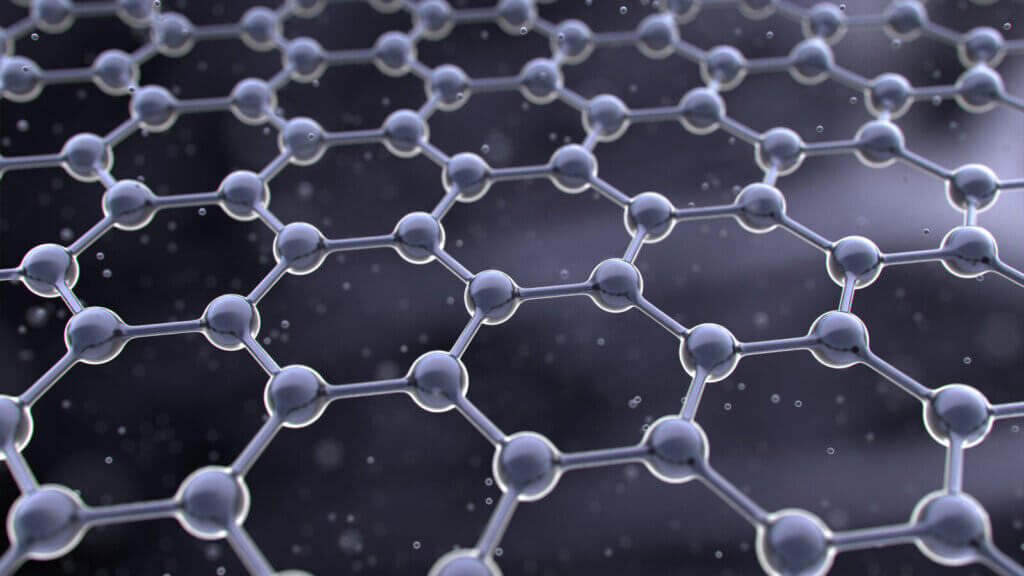
Graphene consists of carbon atoms arranged in a hexagonal honeycomb pattern. Each carbon atom connects to three neighboring atoms. These bonds create a thin and stable carbon sheet.
When the material contains only one atomic layer, scientists call it single-layer graphene. This structure differs from graphite, which contains many stacked layers of carbon sheets.
Although the sheet is extremely thin, it remains very strong. The carbon bonds create excellent mechanical stability. Because of this structure, graphene is stronger than many traditional materials.
Another important feature involves electrical conductivity. Electrons move quickly across the graphene lattice. Therefore, the material conducts electricity very efficiently.
Graphene also transfers heat across its surface very well. For this reason, engineers often study it for thermal management systems.
In addition, the material provides a very large surface area compared with its weight. Since both sides of the sheet interact with surrounding environments, graphene works well in sensors and electrochemical systems.
Because of these properties, graphene continues to attract attention in both industry and research.
Why Graphene Quality Matters?
Even though graphene has excellent properties, not all materials perform the same way. Manufacturing methods and purification steps can affect the final material.
For example, some graphene samples contain multiple layers instead of one. These materials behave differently from true single-layer graphene.
Small defects may also affect performance. Structural imperfections can reduce electrical conductivity and mechanical strength.
Because of this, researchers must carefully evaluate graphene before using it in experiments or products.
When scientists review graphene materials, they usually examine several important characteristics:
- Layer structure and purity
- Defect level and crystal quality
- Electrical conductivity
- Verified material characterization data
A reliable supplier provides clear specifications and test results. This information helps researchers confirm the material quality.
Consistent graphene quality also improves research reliability. When materials remain stable across batches, scientists can reproduce experimental results more easily.
ACS Material as a Graphene Supplier
ACS Material has become a trusted supplier of graphene and other nanomaterials. The company provides materials for universities, research institutes, and technology companies around the world.
Their graphene products go through strict quality control procedures. These tests confirm the structure, purity, and performance of the material.
Because of this process, researchers can confidently use graphene from ACS Materials in scientific studies and technology development.
The company also provides detailed documentation. This information includes structural data and recommended handling guidelines.
In addition, they offer global distribution. Laboratories across many countries can access high-quality graphene materials without major supply problems.
These advantages make ACS Material a reliable partner for nanotechnology research.
Industrial Applications of Graphene
Graphene offers a unique combination of strength, flexibility, and conductivity. Because of this, industries continue to explore new applications.
Flexible Electronics
Graphene conducts electricity very well. At the same time, it remains flexible and thin.
Therefore, engineers use graphene in flexible electronics. Examples include wearable sensors, flexible displays, and transparent conductive films.
These devices benefit from graphene’s ability to bend without losing electrical performance.
Energy Storage Technologies
Energy storage systems require materials that move electrons efficiently. Graphene improves batteries and supercapacitors by increasing electrical conductivity.
Its large surface area also helps store more charge. As a result, graphene can improve battery performance and energy density.
Researchers continue studying graphene electrodes for future energy storage systems.
Composite Materials
Graphene can strengthen composite materials. Manufacturers add small amounts of graphene to polymers or metals.
This addition improves strength, durability, and conductivity. At the same time, graphene adds very little weight.
Because of this advantage, graphene composites appear in aerospace parts and automotive components.
Thermal Management Systems
Electronic devices generate heat during operation. Efficient cooling helps protect sensitive components.
Graphene transfers heat effectively across its surface. Engineers therefore use it in thermal interface materials and cooling systems.
These solutions help improve device reliability.
Research Applications in Laboratories
Graphene also plays a major role in scientific research. Universities study this material to understand nanoscale physics and develop new technologies.
For example, scientists explore graphene sensors that detect gases and chemicals. Because graphene reacts quickly to environmental changes, these sensors can achieve high sensitivity.
Graphene also appears in biomedical research. Scientists investigate graphene-based materials for biosensors and drug delivery systems.
Another research area involves quantum transport and electron mobility. These studies help researchers develop new semiconductor technologies.
Since reliable materials are essential for accurate research, many laboratories work with ACS Materials when sourcing graphene.
Practical Tips for Researchers Using Graphene
- Researchers can improve their experiments by following several simple guidelines.
- First, review supplier specifications carefully. Reliable suppliers provide clear material characterization data.
- Second, store graphene materials in controlled conditions. Proper storage prevents contamination and preserves quality.
- Third, verify the graphene structure during experiments. Techniques such as Raman spectroscopy or atomic force microscopy can confirm layer structure.
- Finally, begin with small sample batches. This approach allows researchers to evaluate performance before scaling up experiments.
These steps help laboratories achieve reliable research results.
Why Researchers Choose ACS Material?
Many research groups choose ACS Materials because the company focuses on quality and scientific support.
Their graphene materials undergo detailed verification procedures. These tests confirm layer structure and material consistency.
In addition, ACS Material offers many other nanomaterials. Researchers can therefore obtain several advanced materials from one supplier.
The company also provides technical documentation and customer support. This guidance helps scientists understand graphene properties and potential applications.
Because of these advantages, they continue to support innovation in nanotechnology and advanced materials research.
Ending Words
Graphene remains one of the most promising materials in modern science. Its atomic structure provides excellent conductivity, strong mechanical properties, and efficient heat transfer.
Among graphene structures, single-layer graphene offers unique advantages because it contains only one atomic carbon sheet.
This material enables new developments in flexible electronics, energy storage systems, composite materials, and thermal management technologies.
However, successful applications require high-quality materials from reliable suppliers.
ACS Material provides industrial and research-grade graphene that supports advanced nanotechnology research. Through strict quality control and global supply, the company helps scientists and engineers explore new applications.
As demand for advanced materials grows, reliable graphene suppliers will continue to play an important role in scientific progress.


Dolor sit amet, consectetur adipiscing elit. Odio ac neque fermentum morbi. Aenean lectus eu, arcu, turpis. In massa eget sagittis, Read more

Dolor sit amet, consectetur adipiscing elit. Odio ac neque fermentum morbi. Aenean lectus eu, arcu, turpis. In massa eget sagittis, Read more

Dolor sit amet, consectetur adipiscing elit. Odio ac neque fermentum morbi. Aenean lectus eu, arcu, turpis. In massa eget sagittis, Read more

Dolor sit amet, consectetur adipiscing elit. Odio ac neque fermentum morbi. Aenean lectus eu, arcu, turpis. In massa eget sagittis, Read more