Tyres play an important role in a car’s safety, handling, braking, and ride comfort. Like other vehicle components, they eventually need to be replaced because of normal wear, age, damage, or changing driving requirements.
Knowing when and how to approach car tyre replacement can help drivers avoid unnecessary risks and make a better purchasing decision. Rather than waiting until a tyre becomes severely worn or damaged, regular inspection can help identify when replacement is needed.
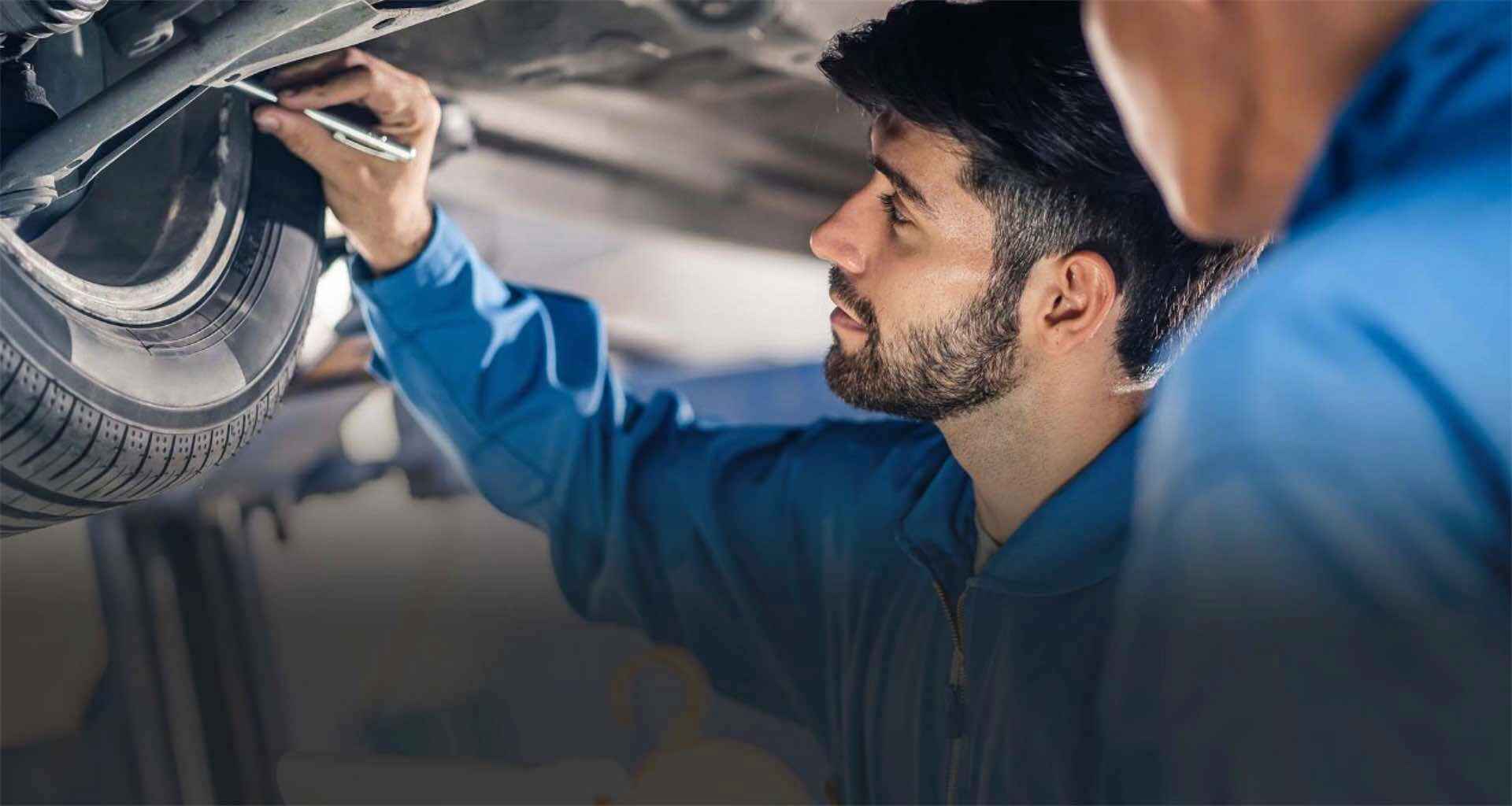

Why Timely Tyre Replacement Matters
A tyre gradually loses tread and can develop other signs of deterioration through regular use. As its condition changes, its ability to provide consistent road contact can also be affected.
Worn or damaged tyres may contribute to:
- Reduced wet-road grip
- Longer braking distances
- Less predictable handling
- Uneven vehicle response
- Increased risk of tyre failure
For this reason, drivers should inspect their tyres regularly and replace them when they are no longer suitable for safe use.
How to Know When Your Tyres Need Replacing
There is no universal mileage figure that determines when every tyre needs replacement. Tyre life depends on road conditions, driving style, vehicle condition, maintenance, climate, load, and tyre design.
Look for visible signs such as:
Low Tread
As the tread wears down, the tyre’s ability to perform in wet conditions can be affected. Check the tread regularly and replace tyres when they reach the manufacturer’s or legally applicable wear limits.
Cracks
Cracks on the sidewall or tread area can indicate deterioration. If you notice significant cracking, have the tyre inspected by a professional.
Bulges
A bulge or deformation on the sidewall can indicate internal damage. Such a tyre should be professionally assessed immediately.
Uneven Wear
If one section of the tread is wearing faster than another, the underlying cause should be investigated. Alignment, inflation, balancing, suspension, and other vehicle-related issues can contribute to uneven wear.
Repeated Punctures or Damage
A tyre with significant or repeated damage may require replacement rather than continued use.
Check the Tyre’s Age
Tyres can deteriorate with age even when they have not been driven extensively. Rubber compounds change over time due to environmental exposure and storage conditions.
Manufacturing information is marked on the tyre and can help identify when it was produced. If you are unsure whether an older tyre remains suitable for use, have it inspected by a qualified tyre professional.
Identify the Correct Replacement Tyre
When planning car tyre replacement, start by identifying the specifications recommended for your vehicle.
These can usually be found in the owner’s manual, vehicle documentation, tyre-information label, or existing tyre.
Important specifications include:
- Tyre width
- Aspect ratio
- Rim diameter
- Construction
- Load index
- Speed rating
The replacement tyre should be appropriate for the vehicle and compatible with the manufacturer’s recommendations.
Consider Your Driving Conditions
The ideal tyre of car depends on how and where you drive.
For city commuters, comfort, wet-road performance, braking, and durability may be important. Highway drivers may place greater emphasis on stability, handling, and long-distance comfort.
If you frequently drive in heavy rain, choose a tyre designed for suitable wet-weather performance and maintain adequate tread depth.
Understanding your driving environment can help narrow down your choices.
Compare Different Tyre Types
Different tyre products are designed with different performance priorities.
Some focus on everyday comfort and durability, while others may be developed for handling, performance, or specific vehicle applications.
When comparing options, consider:
- Intended application
- Tread design
- Wet and dry performance
- Comfort
- Noise
- Durability
- Vehicle compatibility
Do not choose a tyre simply because it looks suitable. Its technical specifications and intended application are more important.
Don’t Choose Based on Price Alone
Price is naturally part of the decision, but the cheapest option is not necessarily the best value.
A tyre’s overall value can depend on its suitability, durability, performance, and maintenance requirements. Similarly, a premium product may not be necessary if its characteristics do not match your vehicle or driving conditions.
Set a realistic budget and compare products that meet your vehicle’s requirements.
Replace Tyres in Sets When Appropriate
Depending on the condition of the existing tyres, replacing one tyre may not always be the best approach.
Tyres on the same axle should generally have compatible specifications and similar levels of performance. If several tyres are worn or damaged, replacing them together may provide more consistent handling.
If only one tyre requires replacement, consult a tyre professional to determine the most appropriate solution for your vehicle.
Check Alignment and Balancing
If the old tyres have developed uneven wear, replacing them without investigating the cause may allow the problem to return.
Wheel alignment can affect how evenly tyres wear, while wheel balancing can help address vibration caused by uneven weight distribution in the wheel and tyre assembly.
Have these areas checked when necessary, particularly if you notice:
- Steering vibration
- Vehicle pulling to one side
- Uneven tread wear
- An off-centre steering wheel
Professional Fitting Is Important
Once you have selected your replacement tyres, have them fitted by trained professionals using appropriate equipment.
Correct installation helps ensure that the tyre is properly seated on the wheel. The recommended inflation pressure should also be checked after fitting.
Depending on the vehicle, wheel balancing and alignment may also need attention.
What to Do With the Old Tyres
Old tyres should be disposed of responsibly through appropriate collection or recycling channels rather than being discarded carelessly.
Ask your tyre retailer whether old tyres can be collected as part of the replacement service.
Maintain Your New Tyres
Proper maintenance can help your replacement tyres perform consistently and wear more evenly.
Make regular checks for:
- Correct tyre pressure
- Tread condition
- Uneven wear
- Cuts and cracks
- Bulges
- Punctures
- Foreign objects
Tyre pressure should be maintained according to the vehicle manufacturer’s recommendation. It is also useful to have tyres professionally inspected if you notice unusual vibration, handling changes, or rapid wear.
When Should You Start Looking for Replacement Tyres?
Do not wait until a tyre becomes completely worn before beginning the replacement process. If your tyres are approaching the end of their usable life, start researching suitable replacements in advance.
This gives you time to compare:
- Correct tyre size
- Suitable specifications
- Different tyre models
- Performance characteristics
- Prices
- Warranty information
- Fitting services
Planning ahead can help you avoid making a rushed purchase.
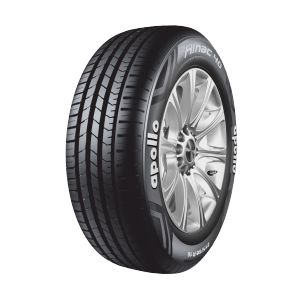

Buy From a Reliable Tyre Manufacturer or Retailer
The source of your replacement tyres matters. Choose a reliable seller that provides genuine products, accurate specifications, transparent pricing, and appropriate support.
When buying online, carefully verify the vehicle compatibility and tyre size before placing your order.
Conclusion
A successful car tyre replacement involves more than simply removing an old tyre and fitting a new one. Drivers should identify signs of wear or damage, check tyre age, select the correct specifications, consider their driving conditions, and have the tyres professionally fitted.
The right tyre of car should match the vehicle manufacturer’s requirements while supporting the performance and driving experience you need. Apollo Tyres offers a range of car tyres for different vehicles and applications, giving drivers options to consider when it is time to replace their tyres.