
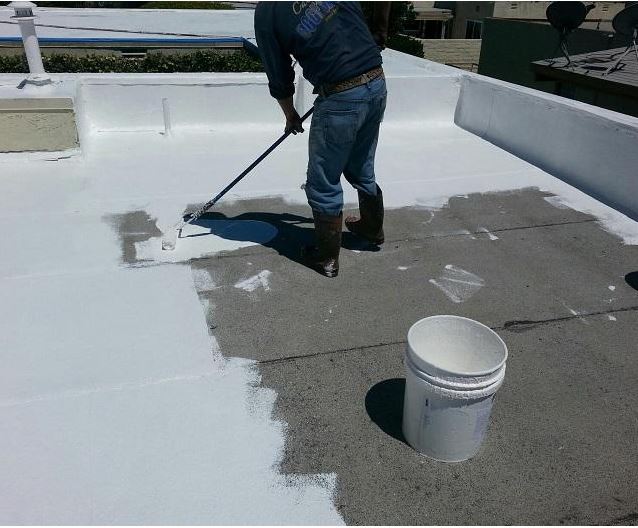
When it comes to enhancing the durability, appearance, and functionality of floors and tiled surfaces, two key elements stand out: concrete floor coatings and tiles grouting material. Whether you are upgrading your home, commercial space, or industrial facility, understanding these materials can help you make informed decisions that lead to lasting results. This blog explores the essentials of concrete floor coatings and tiles grouting materials, highlighting their benefits, types, applications, and maintenance tips.
Understanding Concrete Floor Coatings
Concrete floor coatings are protective and decorative layers applied to concrete surfaces to improve their performance and aesthetics. These coatings not only extend the lifespan of the floor but also protect it from wear, stains, chemicals, and moisture.
Why Use Concrete Floor Coatings?
-
Durability and Protection
Concrete floors, while inherently strong, are porous and prone to damage from abrasion, chemicals, and moisture penetration. Coatings seal the surface, making it resistant to these factors, reducing maintenance needs and repair costs.
-
Enhanced Appearance
Concrete coatings can transform dull, cracked floors into sleek, attractive surfaces. Available in various colors and finishes, coatings can complement any interior or exterior design scheme.
-
Safety Improvements
Some coatings offer anti-slip properties and can be designed with reflective finishes to improve lighting and visibility, enhancing safety in workplaces and homes.
Popular Types of Concrete Floor Coatings
- Epoxy Coatings
Epoxy is one of the most popular floor coatings due to its strength, chemical resistance, and glossy finish. It is ideal for industrial floors, garages, and commercial spaces. - Polyurethane Coatings
Known for flexibility and UV resistance, polyurethane coatings are great for outdoor concrete floors exposed to sunlight, as they don’t yellow or degrade over time. - Acrylic Coatings
These coatings are budget-friendly and quick-drying, offering good protection for residential patios and driveways, though less durable than epoxy or polyurethane. - Polyaspartic Coatings
Polyaspartics cure quickly and provide excellent chemical and abrasion resistance. They are often used in commercial environments that require fast turnaround times.
Application Tips for Concrete Floor Coatings
- Surface Preparation: The concrete must be clean, dry, and free from oils or loose debris. Often, grinding or shot blasting is necessary to create a rough profile for better coating adhesion.
- Moisture Testing: Concrete should be tested for moisture levels before coating to prevent bubbling or peeling.
- Multiple Layers: Applying primer, base coat, and topcoat ensures maximum durability and performance.
- Curing Time: Allow proper curing time between layers and before use to achieve optimal results.
Maintenance of Coated Concrete Floors
- Clean regularly using non-abrasive cleaners.
- Avoid harsh chemicals that can degrade the coating.
- Inspect periodically for scratches or chips and repair promptly.
Exploring Tiles Grouting Material
Tiles grouting material is the filler used between tiles to lock them in place, prevent water ingress, and provide a finished look. Grout plays an essential role in the longevity and appearance of tiled surfaces.
Importance of Using the Right Grouting Material
- Structural Stability
Grout keeps tiles securely bonded, distributing stresses evenly and preventing tiles from shifting or cracking. - Water Resistance
Proper grout creates a waterproof barrier, especially in wet areas like bathrooms and kitchens, preventing moisture damage underneath tiles. - Aesthetic Enhancement
Available in various colors and textures, grout can complement or contrast tile patterns, enhancing the overall design.
Types of Tiles Grouting Material
- Cementitious Grout
Made from cement, water, and sometimes sand, this traditional grout is suitable for most indoor tiled surfaces. It can be sanded (for wider joints) or unsanded (for narrow joints). - Epoxy Grout
Epoxy grout is a mixture of epoxy resins and hardeners. It is highly durable, stain-resistant, and waterproof, making it ideal for high-moisture or high-traffic areas. - Furan Grout
Less common but extremely chemical resistant, furan grout is used in industrial settings where exposure to harsh chemicals is a concern. - Urethane Grout
Flexible and stain-resistant, urethane grout is suitable for areas that may experience slight movement or require easy cleaning.
How to Choose the Right Grouting Material
- Joint Width: Narrow joints often use unsanded cement grout, while wider joints require sanded grout for strength.
- Location: For wet or outdoor areas, epoxy or urethane grout provides better resistance to moisture and stains.
- Maintenance: Epoxy grout requires less maintenance and resists mold and mildew better than cementitious grout.
Application Process for Tiles Grouting Material
- Surface Cleaning: Remove excess adhesive and dust from tile joints.
- Mixing: Follow manufacturer instructions to mix grout to the right consistency.
- Applying: Use a rubber float to press grout firmly into joints, ensuring no gaps.
- Cleaning Excess: Wipe tiles with a damp sponge to remove surface grout before it dries.
- Curing: Allow grout to cure properly, keeping it moist if required.
- Sealing: Some grout types benefit from a sealant to enhance water and stain resistance.
Maintenance Tips for Grouted Tiles
- Clean grout lines regularly with mild cleaners.
- Avoid abrasive scrubbers that can erode grout.
- Seal grout periodically to prevent staining and moisture penetration.
- Repair cracked or missing grout to avoid tile damage.
Comparing Concrete Floor Coatings and Tiles Grouting Material
While concrete floor coatings and tiles grouting material serve different purposes, both are essential in protecting and beautifying hard surfaces.
- Functionality: Concrete coatings provide a continuous protective surface over concrete slabs, while grout fills the spaces between tiles to stabilize and seal them.
- Material Composition: Coatings are generally polymer-based or acrylic, designed for surface sealing. Grouts are cementitious or resin-based fillers.
- Application Area: Coatings apply to concrete floors and patios; grout is used exclusively between tiles on floors, walls, or countertops.
Why Investing in Quality Concrete Coatings and Grouting Material Matters
Choosing high-quality coatings and grout can significantly impact the longevity, safety, and appearance of your surfaces. Poor quality materials or incorrect application can lead to peeling, cracking, staining, and costly repairs.
- Longevity: Quality coatings and grout extend surface life by resisting wear, moisture, and chemicals.
- Cost-Effectiveness: While upfront costs might be higher, fewer repairs and less frequent replacements save money long-term.
- Aesthetics: Premium materials offer better finishes, more color options, and maintain their look over time.
Final Thoughts
Whether you’re renovating a concrete floor or installing new tiles, understanding the roles and types of concrete floor coatings and tiles grouting material is crucial. The right choice enhances durability, safety, and beauty while reducing maintenance headaches.
Before starting any project, carefully assess your surface needs, environmental conditions, and budget. Proper surface preparation, professional application, and ongoing maintenance will ensure that your floors and tiled surfaces remain strong and stunning for years to come.