Use Cases of Residual Current Circuit Breakers and MCBs in Modern Electrical Systems
Electrical safety is an essential consideration in residential, commercial, agricultural, industrial, and infrastructure installations. Different circuits face different risks, including excessive current, short circuits, and unintended leakage to earth. Protective devices help address these risks and provide a safer way to manage electrical systems. A residual current circuit breaker focuses on detecting residual current and disconnecting a circuit when required, while an mcb primarily protects circuits against overcurrent conditions. Understanding their applications can help users and electrical professionals select suitable protection for different environments and operating requirements.
Residential Electrical Protection
Homes contain numerous circuits supplying lighting, sockets, kitchen appliances, air conditioners, water heaters, and other equipment. Since these circuits may have different loads and operating conditions, appropriate protection is important.
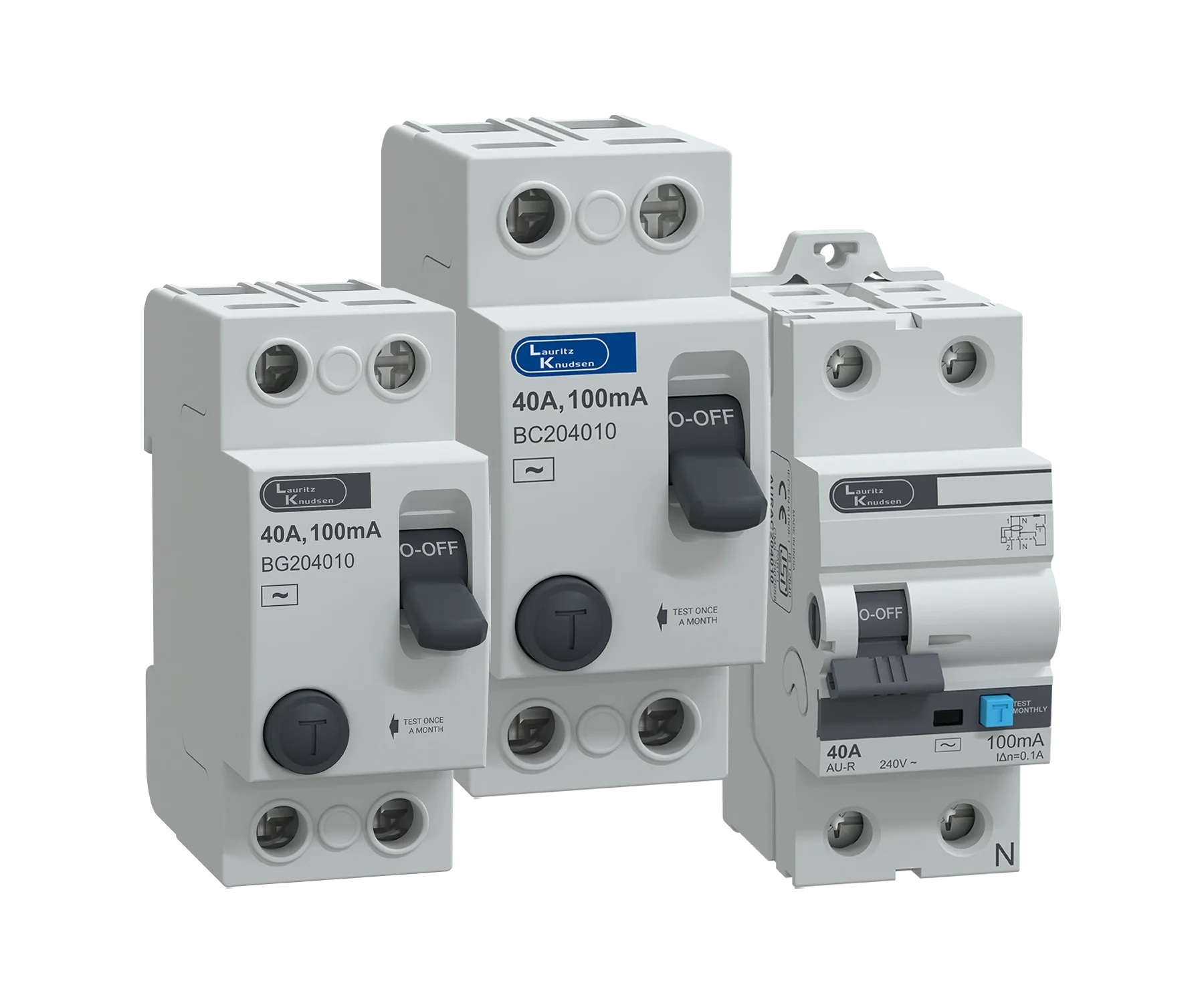
A residual current circuit breaker can be used where protection against residual current is required. It can detect an imbalance between current flowing through the conductors and respond by disconnecting the circuit when the residual current reaches its specified operating level.
Common Residential Applications
- Bathroom electrical circuits
- Kitchen areas
- Outdoor sockets
- Utility rooms
- Garden electrical supplies
- Circuits in locations where additional residual-current protection is required
The precise device and rating should be selected according to the electrical installation and applicable safety requirements.
Protecting Lighting Circuits
Lighting circuits are present in virtually every type of building. They can include indoor lighting, outdoor illumination, emergency lighting, and specialized lighting installations.
An mcb can be used to protect appropriately designed lighting circuits against overloads and short circuits. When excessive current occurs, the protective device can disconnect the affected circuit and help protect its wiring.
Benefits for Lighting Systems
- Helps protect circuit conductors from excessive current.
- Allows individual circuits to be isolated.
- Supports organized electrical distribution.
- Makes maintenance more convenient.
- Helps limit the effect of certain electrical faults.
Selecting the correct rating requires consideration of the connected load, cable capacity, and characteristics of the circuit.
Improving Safety in Wet Locations
Wet and damp areas require careful electrical planning because the presence of moisture can increase the potential consequences of electrical leakage. Bathrooms, kitchens, outdoor areas, agricultural facilities, and certain industrial locations may require additional protection.
A residual current circuit breaker can be considered for suitable circuits where residual-current protection is needed. Its ability to respond to current imbalance makes it useful for applications where protection against leakage current is an important design consideration.
Potential Locations
- Bathrooms
- Washing areas
- Outdoor power points
- Water-pumping locations
- Utility spaces
- Agricultural environments
The protection requirements should always be determined by a qualified electrical professional based on the installation conditions.
Commercial Building Applications
Commercial buildings can contain offices, shops, educational facilities, healthcare spaces, warehouses, and other areas with numerous electrical loads. Organized circuit protection is essential to maintain reliable operation and facilitate maintenance.
An mcb can be installed in suitable distribution arrangements to protect individual lighting, socket, control, and other appropriately rated circuits.
Commercial Use Cases
- Office lighting
- General-purpose sockets
- Small equipment circuits
- Display-area lighting
- Utility rooms
- Building-service circuits
Separating circuits can help prevent a problem in one area from unnecessarily affecting unrelated electrical loads.
Protecting Electrical Equipment
Electrical equipment can be affected by excessive current caused by short circuits, overloads, or other abnormal conditions. Appropriate circuit protection can help disconnect the affected circuit when the current exceeds its specified limits.
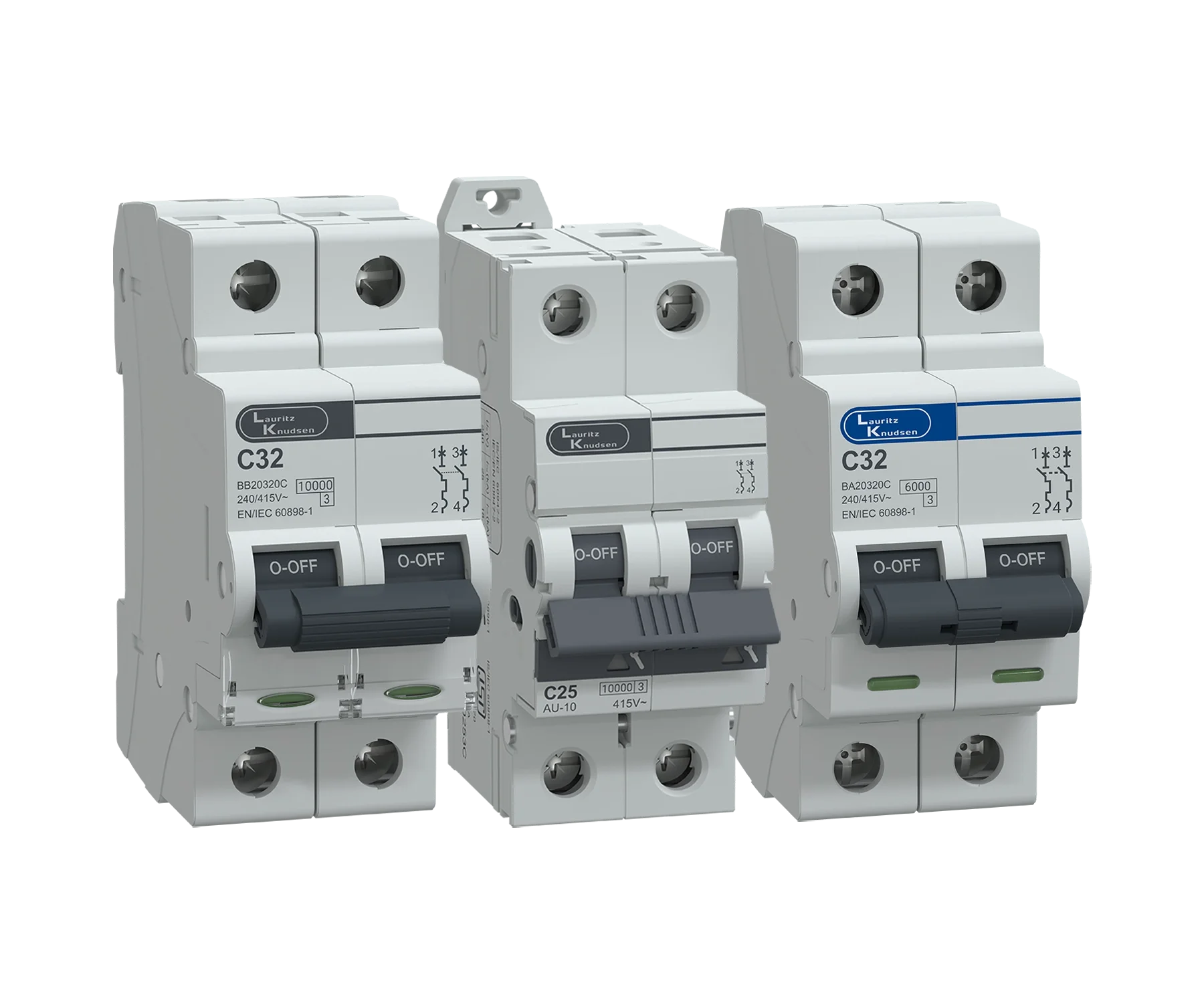
An mcb is particularly useful for suitable low-voltage circuits where overcurrent protection is required. Its compact design also makes it practical for electrical panels where multiple outgoing circuits need individual protection.
Equipment Applications
- Lighting equipment
- Small motors
- Control circuits
- Office equipment
- Household appliances
- General-purpose electrical outlets
Protection should always be matched to the equipment and wiring rather than selected solely according to the appliance’s nominal power.
Agricultural Applications
Agricultural facilities can use electrical systems for irrigation, water pumping, ventilation, lighting, storage, and processing. Some of these applications may be located outdoors or in areas exposed to moisture and dust.
Residual-current protection can be useful for selected circuits where leakage protection is required. Overcurrent protection is also necessary to safeguard appropriately designed circuits and their conductors.
Agricultural Use Cases
- Irrigation-related electrical circuits
- Farm lighting
- Water-pumping systems
- Ventilation equipment
- Storage facilities
- Agricultural workshops
Environmental conditions should be considered when selecting enclosures and electrical components for agricultural installations.
Supporting Industrial Facilities
Industrial sites can have extensive electrical networks supplying motors, machines, lighting, control systems, and utility equipment. Protection needs can vary significantly depending on the type and size of each load.
An mcb may be appropriate for selected smaller circuits, control systems, lighting networks, and other applications within its rated capacity.
Industrial Applications
- Control-panel circuits
- Auxiliary electrical supplies
- Lighting circuits
- Small equipment circuits
- General-purpose outlets
Higher-power industrial loads may require other forms of protection based on their current ratings, fault levels, and operating characteristics.
Outdoor and Infrastructure Applications
Infrastructure projects can include electrical installations distributed across public facilities, water-management systems, utility areas, and large buildings. Outdoor circuits may have additional protection requirements because they can be exposed to environmental conditions.
A residual-current protection device can be incorporated into suitable circuits where the electrical design identifies a need for protection against leakage current.
Important Considerations
- Exposure to moisture
- Dust and environmental contamination
- Accessibility for maintenance
- Circuit length
- Connected load
- Required protection level
- Future expansion
Equipment selection should be based on the complete installation rather than the location alone.
Improving Maintenance and Fault Identification
Well-organized protective devices can make electrical maintenance easier. When circuits are clearly labeled and individually protected, technicians can identify the affected section more efficiently.
Recommended Maintenance Practices
- Inspect electrical panels periodically.
- Check connections for signs of overheating.
- Keep circuit labels updated.
- Test protective functions according to maintenance procedures.
- Review circuit loading when new equipment is added.
- Investigate repeated protective trips.
- Ensure maintenance is carried out by qualified personnel.
Regular inspection can help identify developing problems before they result in significant equipment damage or downtime.
Selecting the Appropriate Protection
Different protective devices address different electrical conditions. Therefore, selection should begin with an understanding of the circuit’s purpose, load, and operating environment.
Factors to Evaluate
- Rated voltage of the installation
- Expected operating current
- Cable current-carrying capacity
- Prospective short-circuit current
- Type of connected load
- Environmental conditions
- Required residual-current protection
- Maintenance and isolation requirements
Correct coordination between protective devices is also important in larger installations so that a fault can be isolated as effectively as possible.
Combining Different Protection Functions
Electrical installations may require more than one type of protective function. Overcurrent protection addresses excessive current caused by conditions such as overloads and short circuits, while residual-current protection addresses current imbalance associated with leakage paths.
These functions can be incorporated into an overall electrical protection strategy according to the needs of the installation. The goal is to provide appropriate protection without compromising the practical operation and maintenance of the electrical system.
Professional assessment is important because the correct arrangement depends on factors such as system configuration, earthing arrangement, load characteristics, and applicable electrical standards.
Conclusion
The applications of a residual current circuit breaker and an mcb extend across residential, commercial, agricultural, industrial, and infrastructure environments. Residual-current protection is useful for suitable circuits where leakage protection is required, while an mcb provides overcurrent protection for appropriately rated electrical circuits. Understanding the difference between these protective functions helps users plan safer and more organized installations. Proper selection should consider load characteristics, cable capacity, fault levels, environmental conditions, and applicable requirements. With appropriate design, installation, testing, and maintenance, electrical protection can contribute significantly to dependable system performance. Lauritz Knudsen Electrical & Automation supports India’s electrical development with a legacy of more than 70 years and a 2.1-million-square-foot manufacturing footprint, serving residential, agricultural, commercial, infrastructural, and industrial markets.