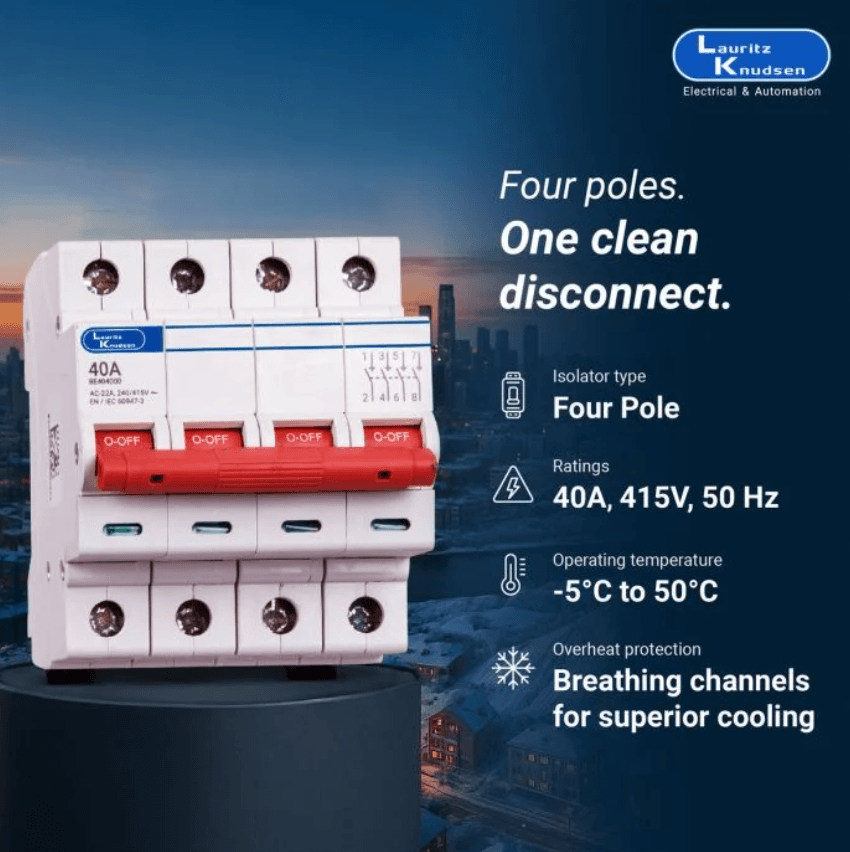
How Contactors Improve Motor Control and Electrical System Safety
Modern electrical systems rely on precise control and dependable protection to keep equipment running efficiently. Whether in manufacturing plants, commercial buildings, or industrial facilities, motors power critical operations every day. However, without the right control devices, these systems can become vulnerable to electrical faults, overheating, and unexpected failures. This is where contactors play a vital role. They enable safe motor operation, improve automation, and enhance overall electrical safety. When combined with an electrical isolator, they create a safer and more reliable electrical infrastructure that minimizes risks and supports efficient operations.
Understanding Contactors
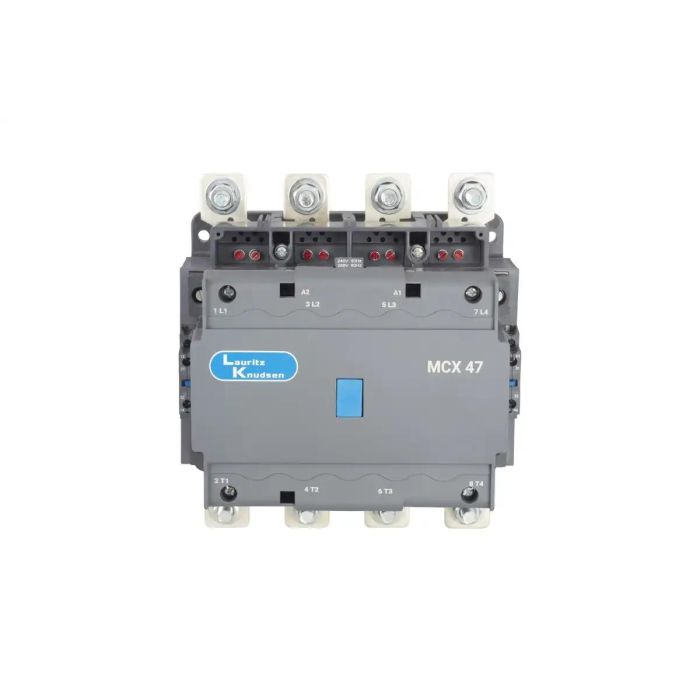
Contactors are electrically operated switching devices designed to control high-current electrical loads. Unlike standard switches, they are built to handle frequent switching operations without compromising performance.
These devices use an electromagnetic coil that opens or closes electrical contacts when energized. Once activated, they allow current to flow to motors or other heavy electrical equipment. When de-energized, the contacts open and disconnect the circuit safely.
Because they are designed for repetitive operations, they are commonly used in:
- Industrial motor control systems
- HVAC equipment
- Pumps and compressors
- Conveyor systems
- Lighting control applications
- Manufacturing machinery
Their ability to automate switching makes them an essential part of modern electrical installations.
The Role of Motor Control in Industrial Operations
Electric motors are the driving force behind countless industrial processes. They require controlled starting, stopping, and protection to ensure efficient performance and long service life.
Effective motor control helps:
- Reduce unnecessary wear on equipment
- Improve operational efficiency
- Lower maintenance requirements
- Enhance workplace safety
- Minimize unexpected downtime
Without proper switching devices, motors may experience excessive current surges, overheating, or damage during operation.
How Contactors Improve Motor Control
1. Enable Safe Remote Switching
One of the biggest advantages of contactors is their ability to switch high-power circuits remotely using low-voltage control signals.
Instead of manually operating heavy electrical switches, operators can start or stop motors through:
- Push buttons
- Control panels
- Programmable logic controllers (PLCs)
- Automation systems
This improves convenience while reducing operator exposure to high-voltage equipment.
2. Support Frequent Motor Operations
Many industrial motors start and stop multiple times throughout the day. Manual switches are not designed for such repetitive operations.
Contactors are engineered specifically for:
- Frequent switching
- High electrical endurance
- Mechanical durability
- Reliable operation under demanding conditions
Their robust construction allows them to handle repeated motor cycles efficiently.
3. Simplify Automation
Automation has become essential across industries. Motor control systems often rely on automatic sequences to improve productivity.
Contactors integrate seamlessly with automated control systems, enabling:
- Scheduled motor operations
- Automatic process control
- Emergency shutdown functions
- Remote monitoring
This improves production efficiency while reducing manual intervention.
Improving Electrical System Safety
Electrical safety is one of the primary reasons industries use specialized switching devices. Motors often operate under heavy electrical loads that require controlled switching and proper isolation.
Several safety benefits include:
Reduced Arc Formation
Opening high-current circuits can generate electrical arcs. Contactors are designed with arc suppression mechanisms that help reduce arcing, protecting both equipment and personnel.
Lower Risk of Electrical Damage
Proper switching reduces the chances of:
- Voltage fluctuations
- Overheating
- Equipment failure
- Short circuits
This contributes to a more stable electrical system.
Improved Equipment Protection
When paired with overload relays and protective devices, contactors help disconnect motors during abnormal operating conditions before serious damage occurs.
Why an Electrical Isolator Is Equally Important
While contactors control electrical circuits during normal operation, an electrical isolator serves a different but equally critical purpose.
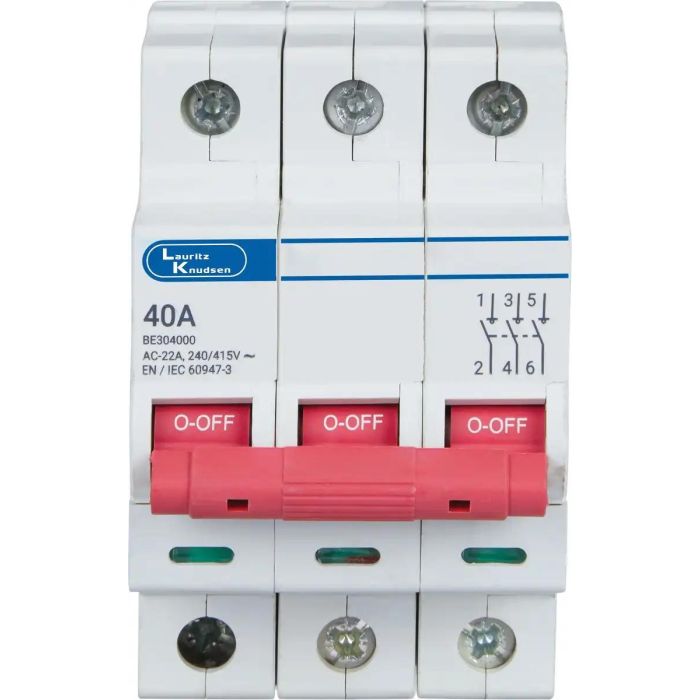
An isolator is designed to completely disconnect electrical equipment from the power supply for maintenance, inspection, or repair. Unlike switching devices used during regular operation, isolators provide visible and secure separation from live electrical circuits.
This ensures maintenance personnel can work safely without accidental energization.
Benefits of Using an Electrical Isolator
Safe Maintenance Procedures
Before servicing motors or electrical equipment, technicians use an electrical isolator to disconnect the power source completely.
This helps prevent:
- Electric shock
- Unexpected equipment startup
- Maintenance accidents
Compliance with Safety Standards
Industrial facilities often follow lockout-tagout (LOTO) procedures during maintenance.
An electrical isolator supports these safety practices by providing a clear and secure disconnection point before work begins.
Enhanced System Reliability
Isolation during maintenance protects connected equipment from accidental faults and helps maintain overall system integrity.
Working Together for Maximum Safety
Although both devices perform different functions, contactors and isolators complement each other within electrical systems.
A typical motor control arrangement includes:
- Incoming power supply
- Electrical isolator
- Protection devices
- Contactors
- Overload relay
- Electric motor
In this configuration:
- The isolator disconnects power during maintenance.
- Contactors control normal motor operation.
- Protection devices monitor abnormal conditions.
Together, they create a safer and more reliable electrical system.
Applications Across Different Industries
The combination of contactors and isolators is widely used in numerous sectors.
Manufacturing
Factories use motor control systems for:
- Assembly lines
- CNC machines
- Packaging systems
- Conveyor belts
Commercial Buildings
Building management systems rely on motor control for:
- HVAC equipment
- Water pumps
- Ventilation systems
- Elevators
Agriculture
Electrical motor control supports:
- Irrigation pumps
- Grain handling equipment
- Processing machinery
Infrastructure
Public infrastructure depends on these systems for:
- Water treatment plants
- Metro systems
- Power distribution
- Industrial utilities
Selecting the Right Components
Choosing the appropriate motor control components requires evaluating several factors.
Consider the following:
Electrical Ratings
Ensure the device matches:
- Operating voltage
- Current capacity
- Motor horsepower
- Frequency
Environmental Conditions
Industrial environments may involve:
- Dust
- Moisture
- High temperatures
- Corrosive atmospheres
Selecting equipment designed for these conditions improves reliability.
Duty Cycle
Frequent motor starting requires components capable of handling repeated operations without excessive wear.
Safety Requirements
Proper coordination between protection devices, contactors, and isolators enhances operational safety and compliance.
Maintenance Best Practices
Regular maintenance helps extend equipment life and maintain safe operation.
Recommended practices include:
- Inspect electrical connections periodically.
- Check for overheating or discoloration.
- Clean dust and contaminants from enclosures.
- Verify proper contact operation.
- Test protective devices regularly.
- Confirm smooth operation of every electrical isolator during scheduled inspections.
Routine inspections help identify issues before they lead to costly failures.
Common Mistakes to Avoid
To maximize performance and safety, avoid these common errors:
- Using undersized switching devices
- Ignoring routine maintenance
- Skipping periodic inspections
- Operating damaged equipment
- Failing to isolate circuits before maintenance
- Incorrect wiring during installation
Proper installation and preventive maintenance significantly improve system reliability.
Conclusion
Reliable motor control depends on selecting the right electrical components that ensure safe operation, efficient switching, and dependable protection. While contactors manage everyday motor operations, isolators provide secure disconnection during maintenance, creating a comprehensive safety approach. Together, they enhance equipment reliability, reduce downtime, and improve workplace safety across industrial and commercial environments. With more than 70 years of expertise in electrical and automation solutions, Lauritz Knudsen Smartshop continues to deliver dependable products that support efficient, safe, and future-ready electrical systems across homes, industries, infrastructure, and commercial applications.