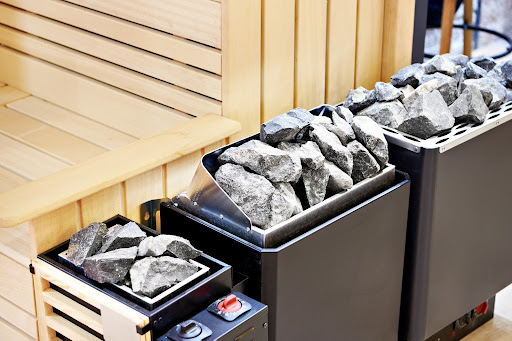
Electric Sauna Heaters and Heart Health
Introduction
Interest in sauna heart health and post-workout recovery continues to grow as more homeowners invest in wellness-focused upgrades. Modern installations powered by Electric Sauna Heaters allow precise temperature control, consistent performance, and safe indoor operation, making sauna use more accessible than ever.
Research from institutions such as the Mayo Clinic, Harvard Medical School, and the American Heart Association has explored how heat exposure influences circulation, cardiovascular response, and recovery. When used properly, sauna bathing can support circulation, relaxation, and muscle recovery.
The following guide outlines 10 evidence-based benefits of sauna use, including sauna cardiovascular benefits, sauna and blood flow, and the benefits of sauna after workout sessions. It also explains how full-room systems compare with portable solutions such as sauna blankets.
How Sauna Heat Affects the Cardiovascular System
Before reviewing the 10 benefits of sauna use, it is important to understand what happens physiologically during heat exposure.
When body temperature rises in a sauna, blood vessels dilate. This process, known as vasodilation, improves sauna and blood flow by allowing circulation to move more efficiently through peripheral tissues. Heart rate increases moderately, often similar to light or moderate physical activity.
According to research frequently cited by Harvard Health Publishing, sauna bathing can temporarily improve vascular function and reduce arterial stiffness. These effects contribute to recognized sauna cardiovascular benefits, especially when sessions are used consistently and safely.
With professionally installed Electric Sauna Heaters, temperature remains stable and controllable, typically between 150°F and 190°F in traditional dry saunas. Controlled heat is essential for predictable cardiovascular response.
10 Benefits of Sauna
1. Improved Circulation and Sauna and Blood Flow
One of the most documented benefits involves circulation. As vessels dilate, oxygen delivery to muscles and tissues improves. This explains why sauna and blood flow are closely linked in cardiovascular research.
Improved circulation may help support vascular function over time when combined with exercise and healthy lifestyle habits.
2. Support for Sauna Heart Health
Multiple long-term studies, including research from the University of Eastern Finland, have associated regular sauna bathing with reduced cardiovascular risk markers.
While sauna use does not replace exercise or medical treatment, consistent sessions may support overall sauna heart health when used responsibly. Individuals with heart conditions should consult a physician before beginning regular use.
3. Recognized Sauna Cardiovascular Benefits
Heat exposure increases heart rate in a controlled manner. For healthy adults, this mild cardiovascular load can complement physical training. These sauna cardiovascular benefits may include improved endothelial function and vascular flexibility.
The American College of Cardiology notes that heat therapy continues to be studied for its cardiovascular impact.
4. Benefits of Sauna After Workout for Muscle Recovery
The benefits of sauna after workout sessions include improved circulation to fatigued muscles. Increased blood flow may assist nutrient delivery and metabolic waste removal.
Athletes often report reduced muscle tightness when sauna use follows training. However, hydration must be prioritized to avoid dehydration.
5. Benefits of Sauna After Working Out for Relaxation
The benefits of sauna after working out extend beyond muscles. Heat exposure activates the parasympathetic nervous system, supporting relaxation and recovery.
Lower stress levels indirectly benefit cardiovascular health, reinforcing the connection between relaxation and sauna heart health.
6. Benefits of Sauna After a Workout for Reduced Stiffness
The benefits of sauna after a workout often include temporary relief from joint stiffness. Heat increases tissue elasticity, which may improve comfort following strength or endurance sessions.
Professional sauna installations ensure even heat distribution, which supports consistent therapeutic effect.
7. Benefits of a Sauna After Workout for Endurance Support
Some research suggests heat acclimation may enhance endurance adaptation. The benefits of a sauna after workout routines may include improved plasma volume expansion when combined with structured training.
These adaptations should be supervised in high-performance settings.
8. Benefits of a Sauna After a Workout for Stress Reduction
The benefits of a sauna after a workout also include mental recovery. Heat exposure encourages endorphin release and relaxation. Stress reduction supports overall cardiovascular resilience.
Consistent but moderate use is key.
9. Sauna Blanket Benefits and Infrared Sauna Blanket Benefits
4
Interest in portable solutions has grown, particularly regarding sauna blanket benefits and infrared sauna blanket benefits.
Infrared blankets heat the body directly rather than warming the surrounding air. This can produce sweating at lower ambient temperatures. However, heat distribution differs from full-room systems powered by Electric Sauna Heaters.
While infrared sauna blanket benefits may include convenience and portability, users should verify safety certifications, temperature limits, and auto shutoff features. Proper hydration remains essential.
10. Post-Exercise Recovery Efficiency
Across multiple studies, the cumulative benefits of sauna after workout routines include circulation support, relaxation, and perceived recovery improvement.
For home installations, electric systems provide:
- Reliable temperature control
- Integrated timers
- Safety shutoffs
- Even heating performance
These features support consistent outcomes compared to improvised setups.
Safety Considerations for Cardiovascular Use
Sauna use is generally safe for healthy adults. However, guidance from the American Heart Association emphasizes caution for individuals with unstable heart conditions, low blood pressure, or recent cardiac events.
Best practices include:
- Limiting sessions to 15 to 20 minutes
- Hydrating before and after use
- Avoiding alcohol
- Allowing gradual cool-down
Professional installation of Electric Sauna Heaters ensures compliance with electrical codes, ventilation requirements, and safe clearance distances.
Choosing the Right System for Heart and Recovery Goals
Full-room saunas powered by Electric Sauna Heaters provide:
- Higher air temperatures
- Even heat distribution
- Authentic sauna humidity control
- Greater durability
Portable solutions such as infrared blankets offer flexibility but may not replicate the full cardiovascular response associated with traditional sauna bathing.
Homeowners focused on sauna cardiovascular benefits and long-term wellness often prefer built-in systems with proper insulation, ventilation, and heater sizing.
Conclusion
The growing interest in sauna heart health reflects a broader movement toward evidence-based wellness practices. Research from institutions such as the Harvard Medical School and the Mayo Clinic supports the idea that sauna use can positively influence circulation, relaxation, and recovery when used responsibly.
The 10 benefits of sauna use outlined above highlight improvements in circulation, vascular flexibility, post-exercise recovery, and stress reduction. The benefits of sauna after workout sessions are especially relevant for active individuals seeking structured recovery methods.
Proper installation, temperature control, hydration, and moderation remain essential. When thoughtfully integrated into a home wellness routine, sauna bathing can complement exercise and cardiovascular care in a safe and practical way.